
The batch cooking system doesn't make you dinner. It makes the components dinner comes from.
By the time Tuesday night arrives, the work is already done. Cooked ground beef in the freezer. Rice pilaf sealed and labeled. Chicken thighs portioned and ready. Dinner isn't a cooking decision anymore - it's an assembly decision. What protein do I want? What starch? What direction am I taking it tonight?
That last question is where most home cooks underestimate the system. The same batch of chicken thighs can go Italian with marinara and pasta, Mexican with salsa and rice, Cajun with a spice blend over dirty rice, or straight American with roasted potatoes and pan sauce. One cook session. Four completely different meals. No repetition, no boredom, no "I guess we're having chicken again."
This page is about the assembly skill - how to read what's in your inventory, understand which components work together across cuisines, and build a complete meal from what's already there without opening a recipe.
Disclosure: Some links on BatchAndGather are affiliate links. If you click one and buy something, I may earn a small commission - at no extra cost to you. I only recommend things I'd actually use or that meet the standards I'd apply in a professional kitchen. As an Amazon Associate I earn from qualifying purchases.
The Assembly Formula
Every assembled meal follows the same structure:
Protein + Starch + Sauce or Seasoning Profile + Optional Vegetable = Complete Meal
The variables are interchangeable. The structure is constant.
This is the Formula Method applied at the assembly level. Once you internalize the structure, every combination of components in your inventory becomes a potential meal. You're not scanning the freezer hoping something jumps out. You're working a formula - filling each slot from what you have and letting the sauce or seasoning profile determine the cuisine direction.
Proteins
Ground beef, chicken thighs, chicken breasts, pulled pork, chuck roast, sausage, skirt steak - or any warehouse club prepared protein that passed your clean label filter.
- Batch Jamaican Oxtail Stew Base, Pure Decadence
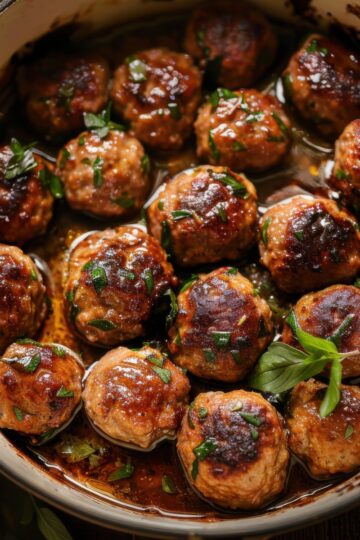
- Batch Italian Meatballs - 40 Meatballs, 10 Meals Solved
- Batch Spatchcock Turkey - 9 Portions in 90 Minutes
- Batch Roasted Chicken Thighs - 24 Portions Ready to Use
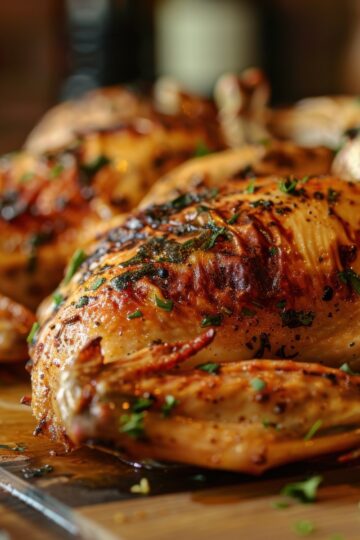
- Batch Spatchcock Chicken - 4 Dinners from 2 Birds
- Batch Beef Birria - 11 Portions for Restaurant Tacos
- Batch Jerk Pork - 8 Portions for Island-Style Dinners
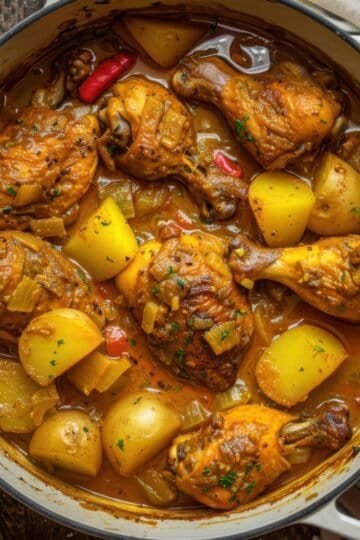
- Batch Jamaican Curried Chicken - 6 Portions Ready to Reheat





Starches
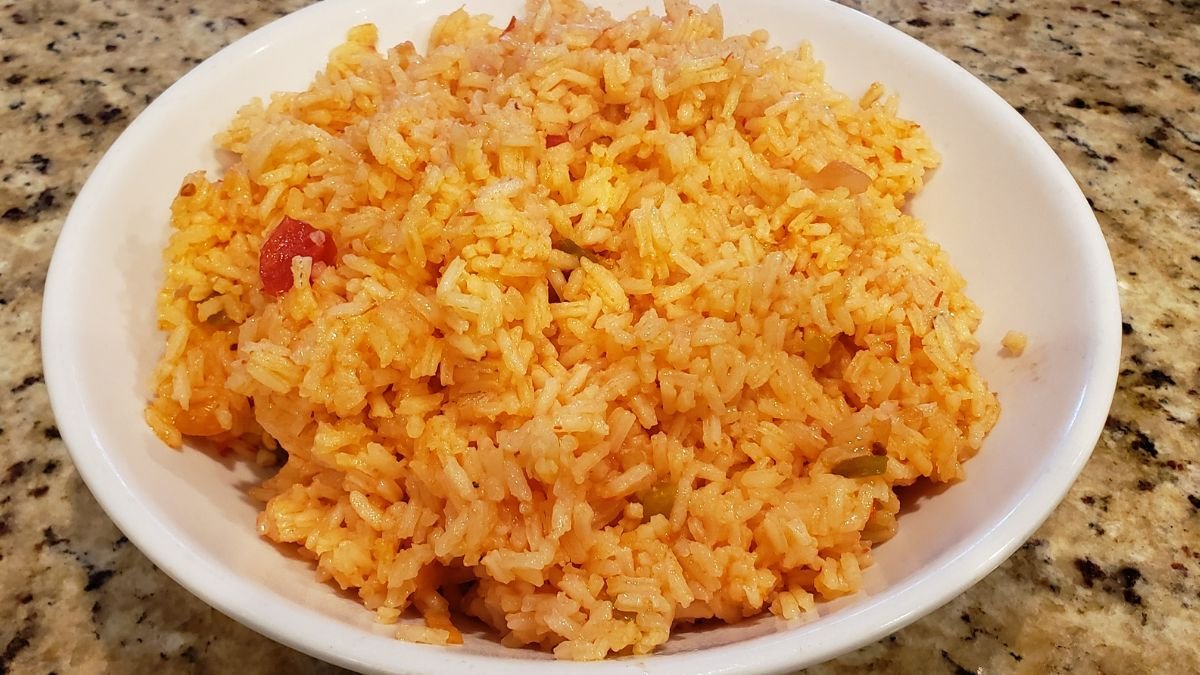
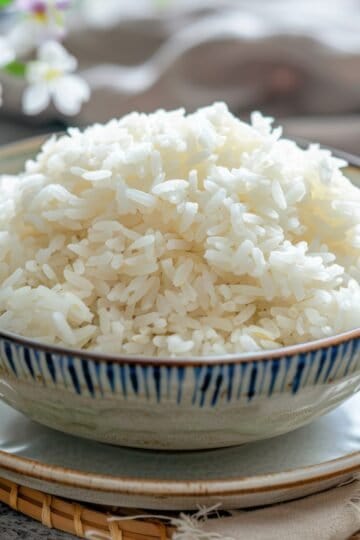
Rice pilaf (freezer), mashed potatoes (freezer), pasta (fresh from fridge), roasted potatoes (quick or from freezer). Whatever's at par in your system.
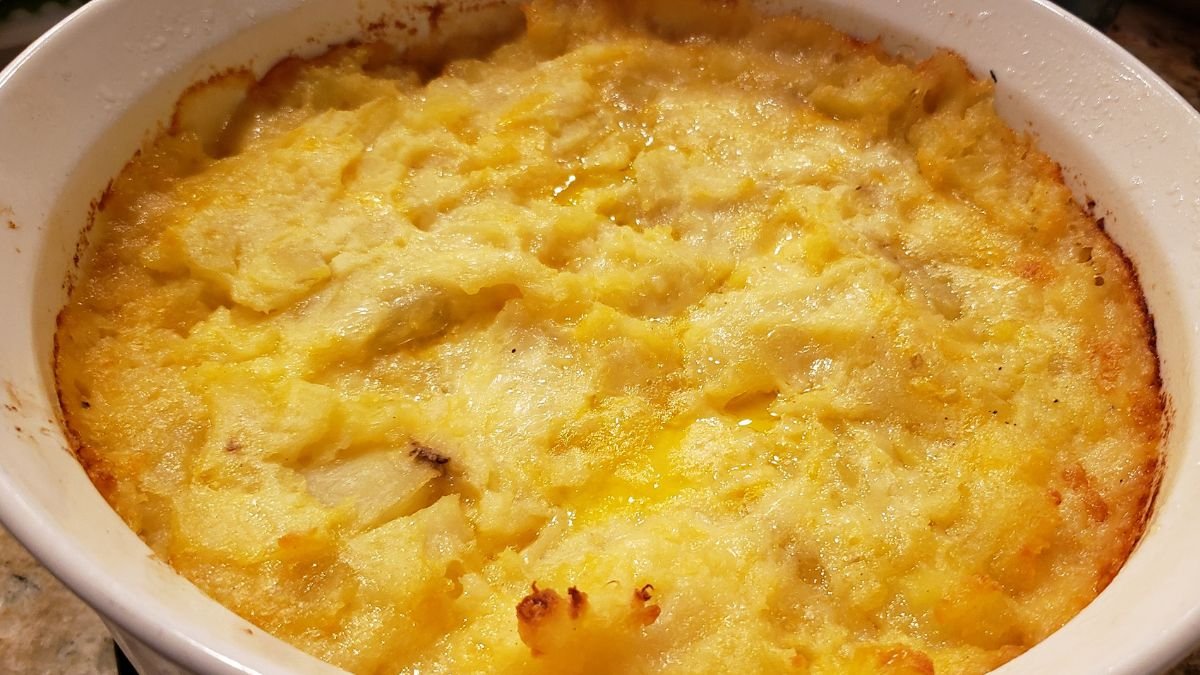
- Batch Cheesy Gold Mashed Potatoes - Restaurant Quality
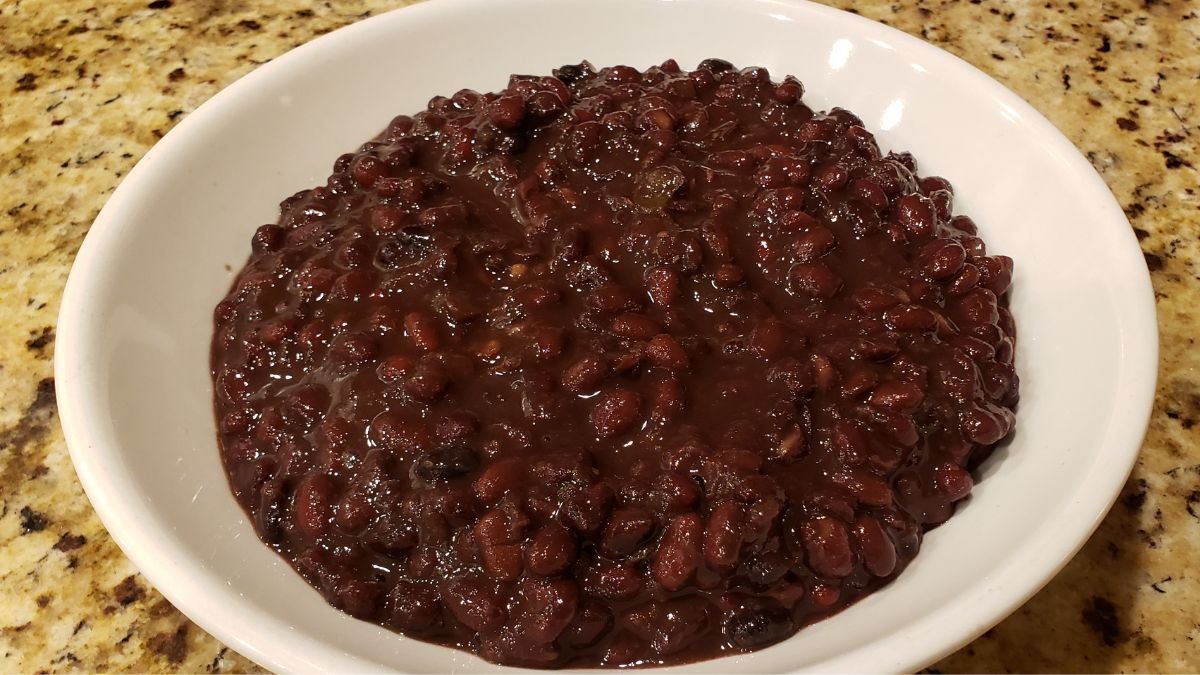
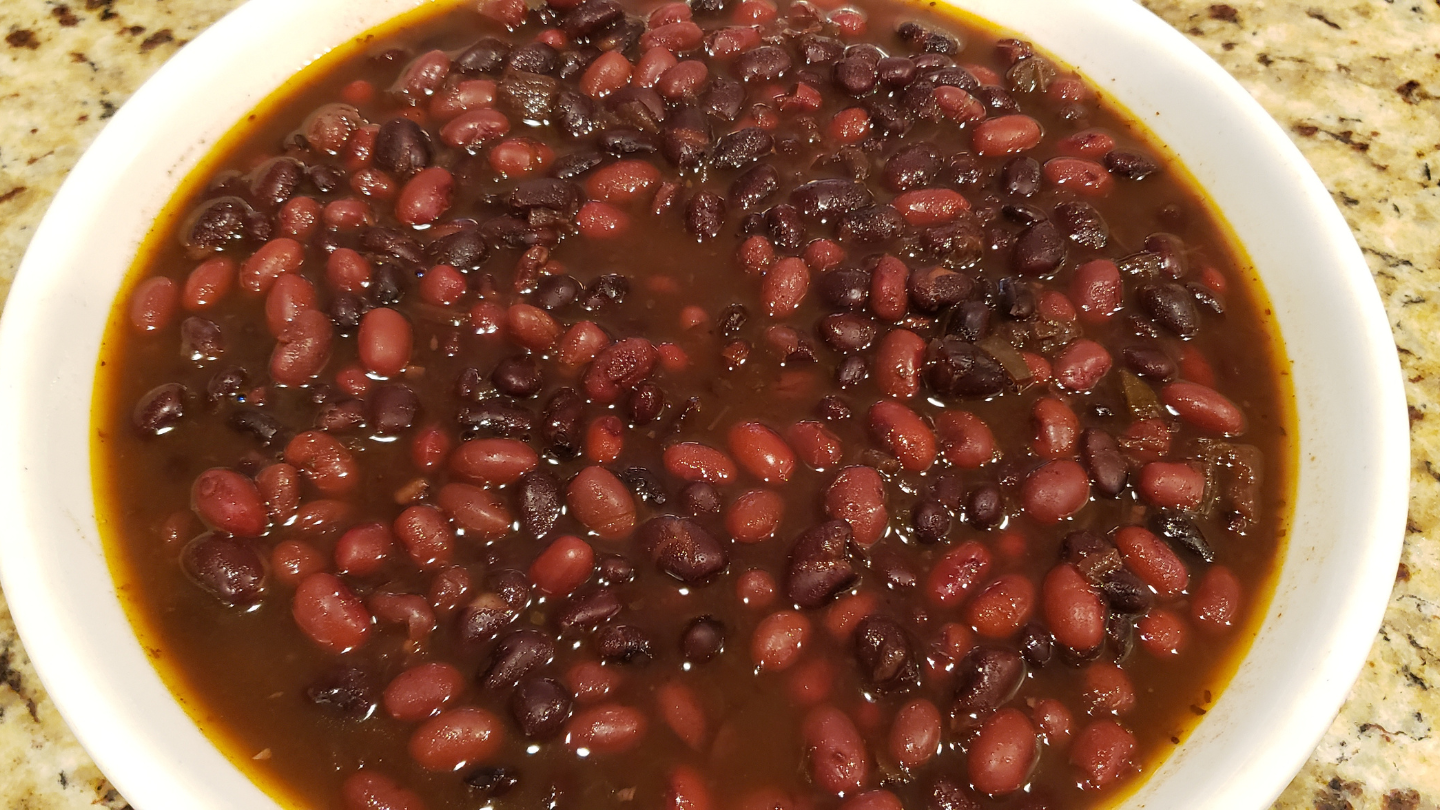
- Batch Cuban Black Beans - 12 Portions for Quick Dinners
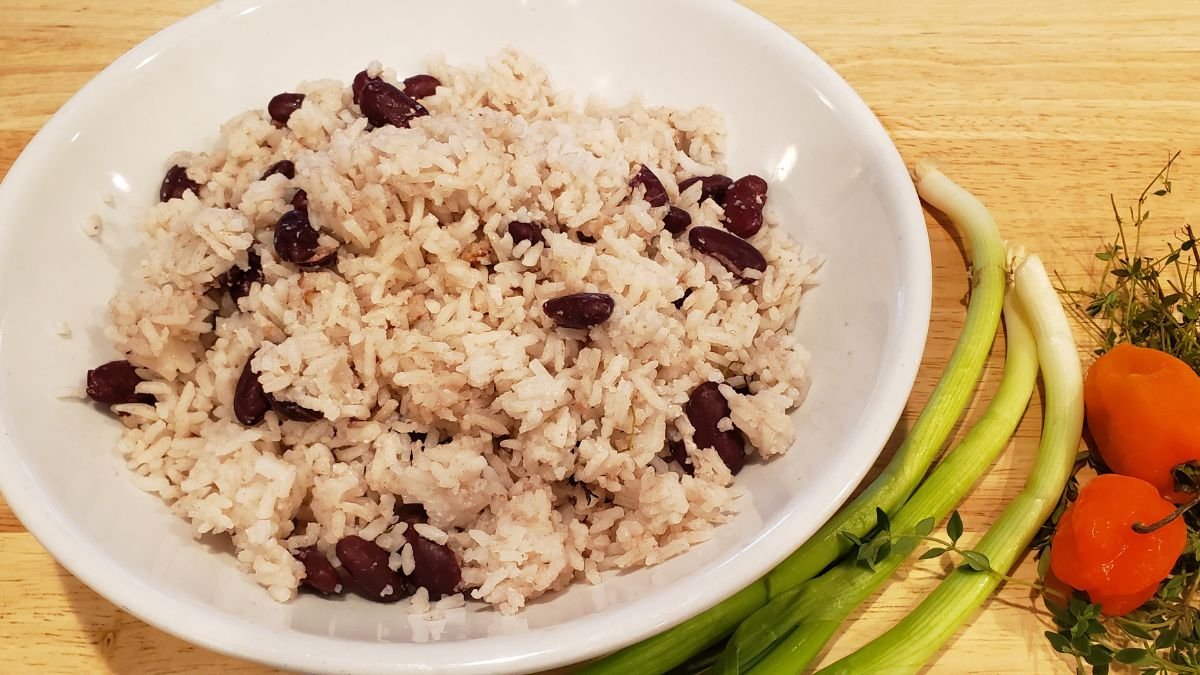
- Batch Jamaican Rice and Peas - 8 Caribbean Portions
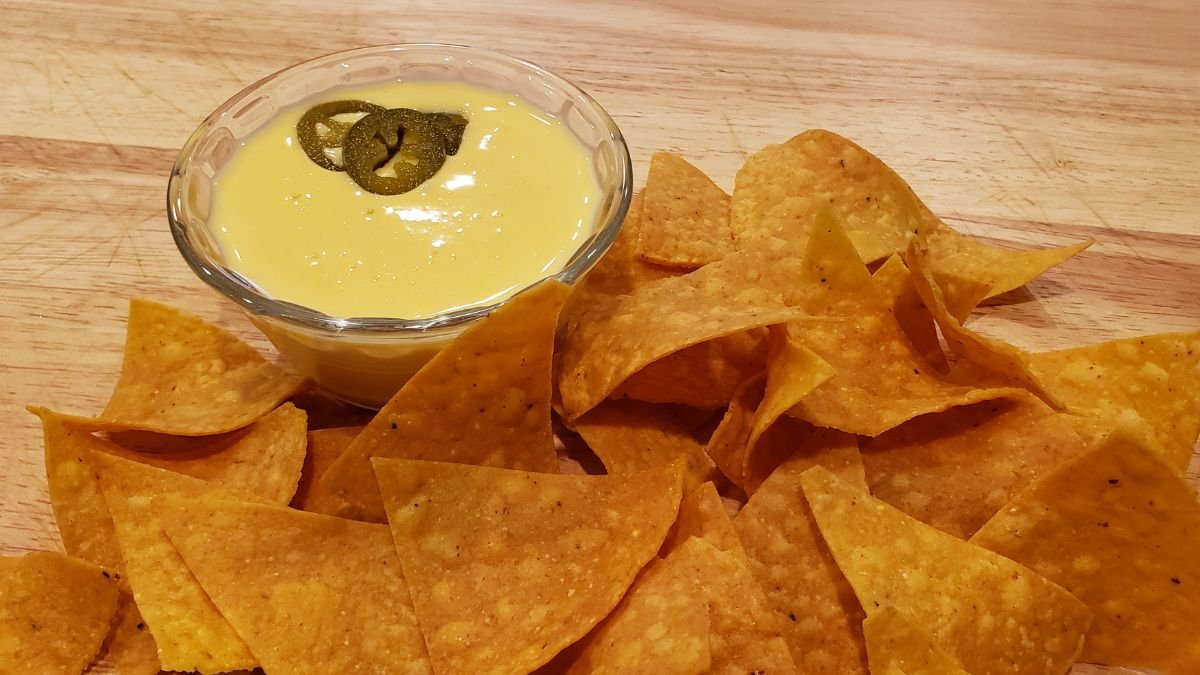
- Batch White Cheese Dip - 8 Servings From One Recipe
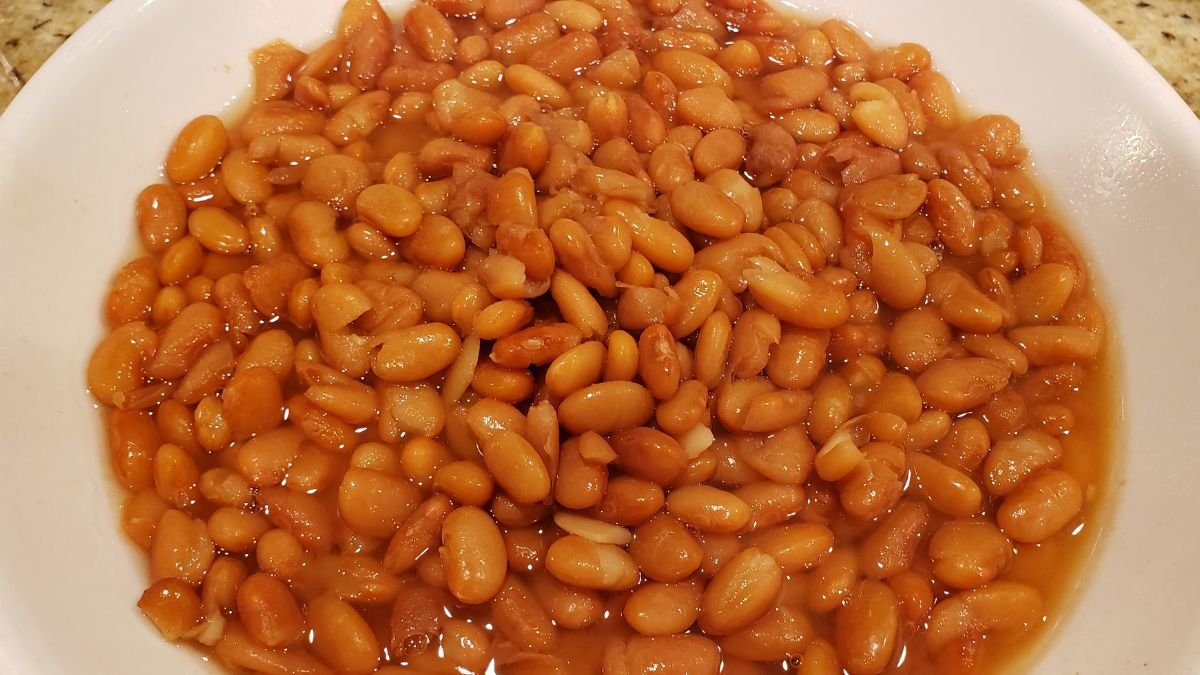
- Batch Pinto Beans - 16 Portions of Comfort Food
- Batch Mexican Rice - 12 Restaurant Portions from Scratch
- Batch Rice Pilaf - 12 Portions from One Sunday Cook
- Batch White Rice - 12 Portions in a Rice Cooker

Sauces and Seasonings
This single slot changes everything else on the plate. The same chicken thigh produces five completely different meals based solely on what happens here:
Marinara or tomato base → Italian direction
Salsa, lime, cumin → Mexican direction
Cream sauce, fresh herbs → French/American direction
Soy, ginger, sesame → Asian direction
Hot sauce, vinegar, Cajun spice blend → Southern/Cajun direction
Vegetables
Optional at assembly. Frozen warehouse club vegetables drop directly into the pan during reheating. Fresh vegetables are a quick sauté. Neither requires advance prep - they fill the slot when you want them.
Assembly Sets - See the Formula in Action
The recipe cards below are starting points, not instructions. Each set shows one combination that works - a protein, a starch, a flavor direction. Pull the components you have. Follow the direction. The formula handles the rest.
These aren't the only combinations. They're examples of the system running. Once you see the pattern, your inventory becomes the menu.
Mexican Night - Ground Beef Direction
Taco beef already has the seasoning built in - cumin, chili, garlic, onion. Pair it with Mexican rice (same flavor backbone) and refried beans as the third component and you have a complete plate in the time it takes to reheat. Add salsa, sour cream, or warm tortillas based on what's in the fridge. No extra seasoning needed. The work is already done.
- Batch Taco Meat - 16 Portions of Restaurant-Style Beef
- Batch Mexican Rice - 12 Restaurant Portions from Scratch

Italian Night - Meat Base Direction
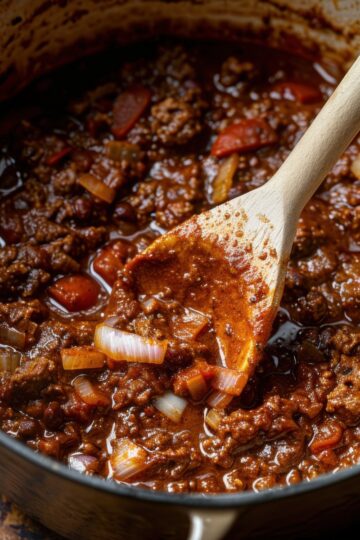
Italian meat base is a seasoned ground beef component built around oregano, basil, and garlic - the same flavor profile as marinara. Combine it with jarred or batch marinara, serve over pasta, and you have a bolognese-style bowl with zero cooking. The meat base and the sauce are already speaking the same flavor language.
Southern Night - Chili Direction
Chili beef and chili beans are built from the same seasoning profile - chili powder, cumin, smoked paprika, garlic. Combined they become a complete chili bowl. Add shredded cheddar, sour cream, and cornbread (batch or pantry) and the plate builds itself. This is also a strong candidate for a loaded baked potato assembly if you have potatoes at par.
When Components Surprise You - Flavor Compatibility
The suggested assembly sets above are organized. Planned. Easy to follow.
But the most powerful moment in the batch cooking system isn't the planned meal. It's when you open the fridge at 12:30 on a Tuesday, look at whatever's there, and put together something that wasn't planned - and it works. Not just works. Actually good.
That happens when you understand flavor compatibility. Not the cuisine label. The actual herbs and spices inside it.
A Real Example From the System
Sausage jambalaya thawed and ready for lunch. Wanted more protein. Grabbed a Sam's Club Italian grilled chicken breast - one left in the container. Sliced it, laid it at the bottom of the warmer. Jambalaya on top. Let it heat together.
Why does that work? Jambalaya is Cajun - oregano, thyme, the holy trinity of onion, celery, and bell pepper. The Italian grilled chicken is seasoned with oregano and thyme. The flavor profiles share the same herbaceous backbone. Rosemary shows up in the Italian seasoning but there's not enough of it in one chicken breast to conflict. The result is chicken and sausage jambalaya that reads as intentional. Nobody would identify it as two separate components combined on the fly.
The lesson: when you know what's inside a seasoning profile - not just the cuisine label but the actual herbs and spices - you start seeing the overlaps. Those overlaps are where the impromptu meals live.
The Flavor Overlap Map
These aren't hard rules - they're starting points for recognizing what's compatible before you commit to a combination:
Italian ↔ Cajun
Shared backbone: oregano, thyme, garlic, onion. Italian goes heavier on basil and rosemary. Cajun goes heavier on cayenne and paprika. The overlap is large enough to combine freely.
Mexican ↔ Southwestern / Tex-Mex
Shared backbone: cumin, chili powder, garlic, lime. Virtually interchangeable at the component level. Taco beef works anywhere Mexican rice works.
Asian ↔ Asian-Fusion
Shared backbone: soy, ginger, sesame, garlic. Korean, Chinese, and Japanese profiles all draw from this well. Differences are in the ratios and add-ins (gochujang vs. hoisin vs. mirin) - rarely enough to conflict.
Southern / Comfort ↔ American
Shared backbone: fat, salt, slow-cooked depth, savory sweetness. Gravy bridges almost everything in this lane. Pulled pork, mashed potatoes, and a pan gravy speak the same language regardless of which component they came from.
Mediterranean ↔ Middle Eastern
Shared backbone: lemon, olive oil, herbs (parsley, mint, oregano), garlic. Combinations in this lane are forgiving because the acid and herbs do the unifying work.
You don't need to memorize this. You need to read labels - the actual ingredient list on your batch component or the seasoning blend you used - and look for the shared herbs and spices. When two components share at least two or three of the same primary seasonings, the combination is almost always worth trying.
The deeper you build your batch inventory, the more often these moments happen. And the more they happen, the faster you develop an instinct for it that doesn't require any map at all.
Warehouse Club Components Are Legitimate Assembly Ingredients
The batch cooking system has three procurement lanes, not two. You cook from scratch. You stock pantry staples. And you buy prepared components from the warehouse club that integrate cleanly into your assembly workflow.
Rotisserie chicken, Italian grilled chicken breasts, pulled pork, prepared grain sides - these are not compromises. They are strategic procurement decisions. They keep your inventory stocked on weeks when there's no time for a full cook session. They add variety your scratch cooking doesn't always cover. And they drop into the assembly formula at the protein or starch slot exactly the same way your homemade components do.
The filter is always clean label first. Does the ingredient list hold up to your household's standards? If yes, it earns a place in the system. If not, it doesn't - regardless of how convenient it is. Once it passes, treat it like any other batch component. It gets the same slots, the same pairings, the same late-Tuesday-night deployment.
The Italian chicken breast in the jambalaya example above came from Sam's Club. That detail matters - because the system works with whatever passes the filter, not just what you cooked yourself.
The formula behind every combination
Warehouse club components worth stocking
Coming Soon!