
Most cookware is built for a single dinner. You heat the pan, cook the meal, eat it, wash it. Cast iron is built for something else - it's built for volume, for heat that holds, for the kind of hard sear you do again and again in a single session. That's exactly the way batch cooking works.
You don't need cast iron to cook the batch system. You can run every method here on stainless, on carbon steel, on whatever you already own. But if you asked which pan the system leans on hardest - which one does the heaviest lifting when you're searing four rounds of protein back to back - the answer is cast iron. It earns that spot on the merits, not on tradition.
This page is the overview. Each section below hands off to a full guide when you want to go deeper.
Disclosure: Some links on BatchAndGather are affiliate links. If you click one and buy something, I may earn a small commission - at no extra cost to you. I only recommend things I'd actually use or that meet the standards I'd apply in a professional kitchen. As an Amazon Associate I earn from qualifying purchases.
Why the Tool Serves the Method
Batch cooking asks one thing of a pan that weeknight cooking never does: hold your heat when you load it.
When you drop a cold, dense protein into a pan, the metal's temperature crashes. On a thin pan, that crash is steep and slow to recover - the surface drops below searing temperature and your protein steams and grays instead of browning. You lose the crust. In a batch session, where you're searing round after round, that recovery lag compounds. Every round starts colder than it should.
Cast iron solves this with mass. A heavy iron pan stores an enormous amount of thermal energy relative to a thin one. When the cold protein hits it, the surface temperature dips far less and recovers far faster, because there's a deep reservoir of heat behind it. That's the whole game for batch searing: the pan that holds its heat through round four gives you the same crust on the last batch as the first.
This is also why preheating matters more with iron, not less. It's slow to heat and slow to cool - that's the trade. You give it the extra minutes up front, and it pays you back with stability across the entire session.
The Fat Question
What you sear in matters as much as what you sear on. Cast iron runs hot, and the fat you choose has to hold up at that heat without breaking down.
The short version: animal fats first, in a specific order, with a hard line against seed oils. Tallow leads for a reason, and there's a clear ranking down from there - including where avocado oil fits and why olive oil is a finishing fat, not a searing one.
That ranking, the smoke points behind it, and the reason seed oils never belong on iron all live in the cooking guide, where there's room to explain the why instead of just handing you a list.
→ How to Cook in Cast Iron - heat management, fat selection, and the searing technique the batch system runs on.
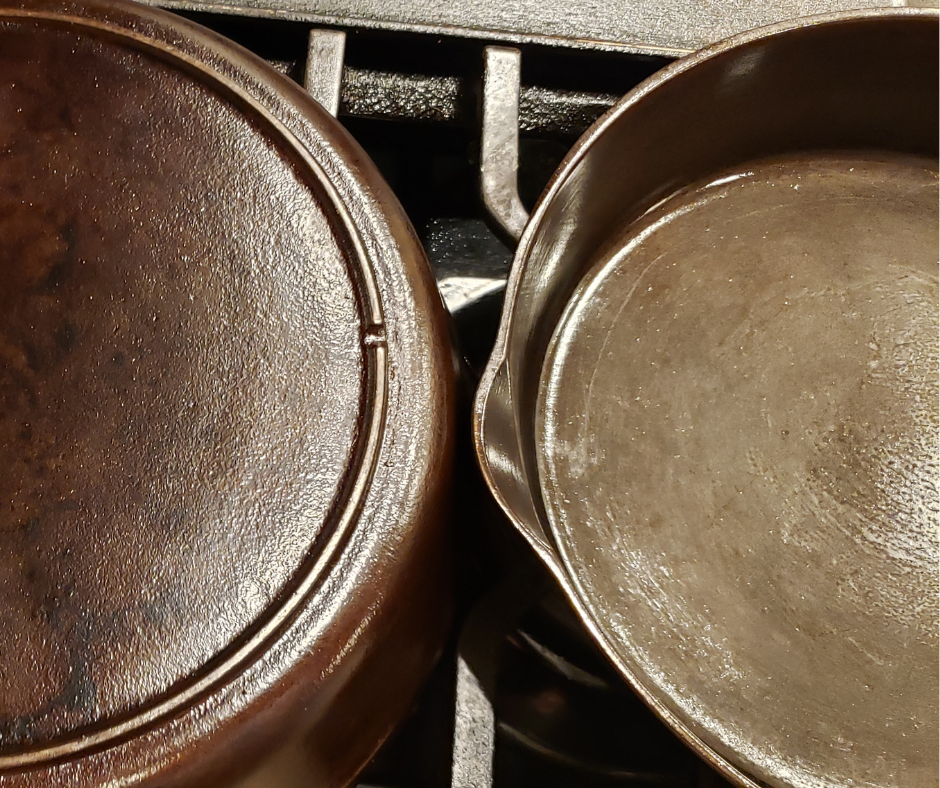
Cooking in Cast Iron - Heat Management, Fat Selection, and the Rules That Actually Matter
Seasoning: The Surface That Makes It Work
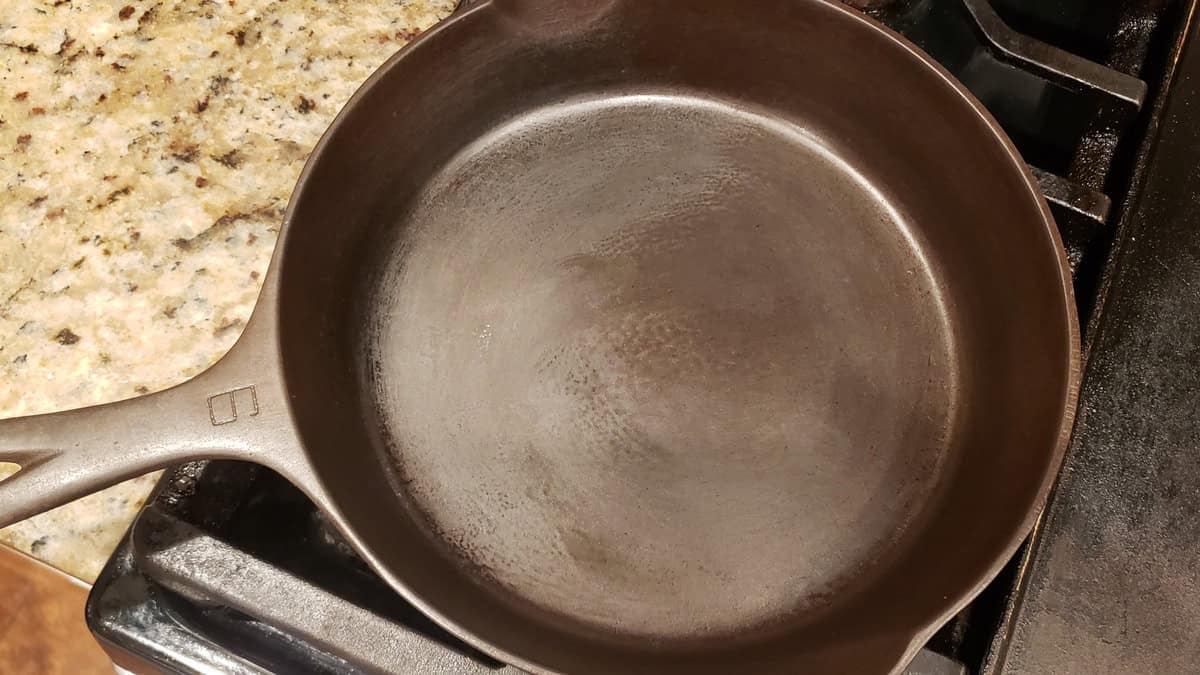
Seasoning is the polymerized layer of fat that gives cast iron its slick, durable cooking surface. Done right, it's what lets a bare iron pan release a fried egg. Done wrong - or with the wrong fat - it turns sticky, patchy, and frustrating.
There's a common practice, all over YouTube and in home kitchens, of seasoning with whatever neutral oil is in the cabinet. It works well enough that people keep doing it. But it isn't the best surface you can build, and we'll be straight with you about why: the fat you choose changes how hard and how slick the finished layer gets.
The full method - including seasoning with beef tallow and exactly how to build a layer that lasts - is its own guide.
→ How to Season Cast Iron - the step-by-step, the right fat, and why it beats the neutral-oil default.

How to Season Cast Iron With Beef Tallow - The Only Method That Works
Care: Keeping the Surface You Built
Cast iron is not fragile, and the rules around it are mostly myth. Soap won't destroy your seasoning. Water isn't the enemy. What actually matters is a short, consistent routine after every cook - and knowing which handful of things genuinely do harm.

Get the routine right and a pan outlasts you. There are pans in daily use older than anyone reading this.
→ Cast Iron Care - the after-cook routine, the real do's and don'ts, and the myths worth ignoring.
When a Pan Needs Rescuing
Rust, a stripped surface, a flea-market find caked in decades of grime - none of it is a death sentence. Cast iron is one of the only pans you can strip back to bare metal and completely rebuild. A neglected pan becomes a daily driver again with the right process.
→ How to Refinish and Reseason Cast Iron - stripping, rust removal, and rebuilding the surface from bare metal.

How to Solve Common Cast Iron Cookware Problems
Beyond the Skillet: Enameled and the Dutch Oven
Not every iron pan is bare iron. Enameled cast iron - a Dutch oven, most commonly - gives you the same heat mass with a glazed surface that needs no seasoning and shrugs off acid. That last part matters: bare iron and acidic ingredients don't mix, so tomato-heavy braises, anything with wine or citrus, belong in enamel or stainless, never in a raw iron pan.
The Dutch oven is also the bridge into cooking the batch system outdoors. Its heat retention and lid make it the workhorse for campsite assembly - you bring pre-cooked, frozen components and finish them in the pot on-site, which sidesteps raw-meat handling and food safety headaches at camp entirely. That's its own subject, and it connects directly to the camp cooking side of the system.
Four Recipes to Start With
If you just bought your first cast iron skillet, don't start with eggs. Start with confidence builders - recipes where the cast iron does the heavy lifting and the margin for error is wide. These four build your seasoning while they build your skill.
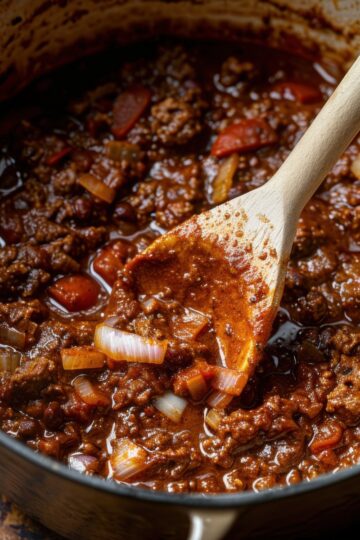
Chili Beef. Taco Meat. Steaks. Pan Roasted Chicken Thighs - once you've got some seasoning established. Cast iron handles all four beautifully, and none of them require precision technique. Cook these on repeat and your pan's finish will develop fast.
And here's the fastest way to build a world-class seasoning: fry potatoes in beef tallow. Over and over. Who's going to complain about that? Potatoes fried in beef tallow are delicious, and the repeated frying puts your cast iron through heating and cooling cycles with saturated fat absorbing into the surface. That's a master class in seasoning disguised as a side dish.


The Bottom Line
Cast iron is one piece of the batch cooking system - the piece it trusts most, but not a piece it requires. If you already own one, this is the pan that rewards the way you're about to cook. If you don't, you can run the whole system without it and add one when you're ready.
The tool serves the method. Not the other way around.
All Cast Iron Recipes
Every recipe on BatchAndGather that's built for cast iron - If it goes in the skillet, it's here.
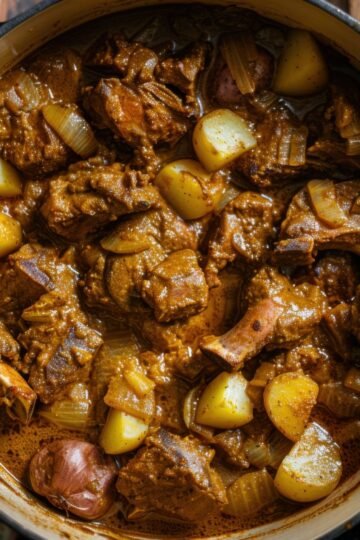
- Batch Jamaican Oxtail Stew Base, Pure Decadence
- Batch Beef Birria - 11 Portions for Restaurant Tacos
- Batch Jamaican Curried Chicken - 6 Portions Ready to Reheat
- Batch Jamaican Curried Goat - 6 Portions of Bold Flavor
- Batch Pork Barbacoa - 14 Portions of Mexican Pulled Pork
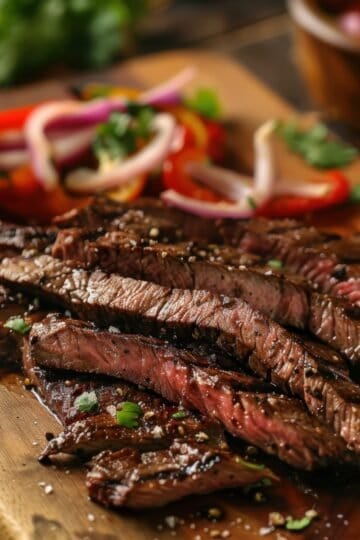
- Batch Grilled Skirt Steak - 15 Fajita Portions Ready
- Batch Soup Beef - 8-10 Portions of Wine-Braised Chuck
- Batch Blackened Chicken Thighs - 12 Portions Ready
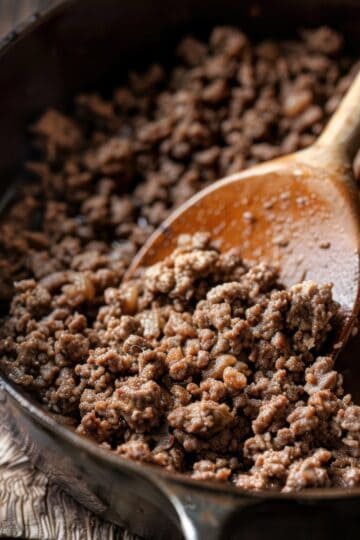
- Batch Ground Beef - 4 Portions from 5 Pounds
- Batch Italian Seasoned Ground Beef - 10 Portions Ready
- Batch Beef Barbacoa - 10 Portions
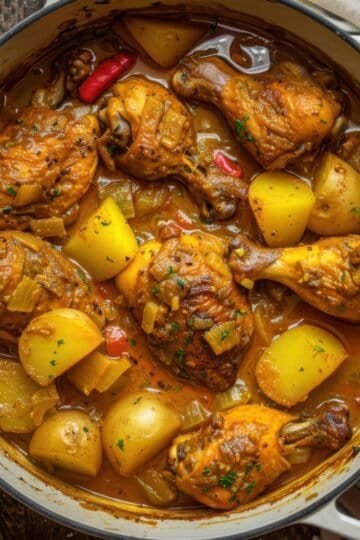
- Batch Jamaican Brown Stew Chicken - 6 Freezer Portions







Get the System, Not Just the Pan
A great skillet doesn't help if you're still cooking from scratch every night. Cast iron is one piece of the batch cooking system - the piece that makes searing, browning, and building flavor faster and better than anything else in your kitchen. If you're ready to see how all the pieces connect, start with Batch Cooking 101.