
You bought the meat. You had a plan. Sort of.
Three days later, you open the fridge, and there it is - that package of ground beef you were "definitely going to cook tomorrow." It smells off. The color has shifted. You already know what happens next.
You throw it away. And with it, you throw away $12, $18, maybe $25 depending on what you bought.
This happens to nearly everyone. It happened to me last week. I bought ground beef, underestimated my free time, and lost it. I created this system, and I still break it sometimes. We're human.
But here's what most people don't realize: the average American family of four loses roughly $1,500 to $2,900 per year on food they buy and never eat, according to the USDA and EPA. That's not restaurant waste or grocery store dumpsters - that's your fridge. Your counter. Your money in the trash.
A significant chunk of that loss is raw meat spoilage. And it's almost entirely preventable with two rules.
Disclosure: Some links on BatchAndGather are affiliate links. If you click one and buy something, I may earn a small commission - at no extra cost to you. I only recommend things I'd actually use or that meet the standards I'd apply in a professional kitchen. As an Amazon Associate I earn from qualifying purchases.
What Is the 24/48 Rule?
It's two rules that work together as one system:
The 24-Hour Rule: Cook all raw meat within 24 hours of bringing it home. If you can't cook it within 24 hours, don't buy it.
The 48-Hour Rule: Vacuum seal everything you cook within 48 hours of purchase. That means your entire pipeline - buy, cook, seal, and store - completes in a two-day window.
That's it. Two rules. One closed loop.
Buy → Cook → Portion → Vacuum seal → Freeze. All inside 48 hours of purchase.
But here's what I want you to understand: 24 and 48 hours are the maximum allowance, not the target. They're the guardrails, not the goal. Ideally, you buy your meat, cook it, portion it, vacuum seal it, and get it into the freezer the same day - within about 12 hours. That's the standard I aim for.
But life happens. Kids, work, exhaustion - sometimes 12 hours isn't realistic. So I created the 24/48 rule as the outer boundary to protect my investment. If the meat isn't cooked within 24 hours, I've failed. If the cooked food isn't vacuum sealed within 48 hours of purchase, I've failed. Those are the hard stops.
The shorter the window, the better the result. Every hour between purchase and sealed storage is time working against you. These rules force you to shop with a plan and execute that plan on a timeline. That single behavioral shift eliminates the biggest money leak in most people's grocery budget.
Why 24 Hours? Because the Clock Started Before You Got Home
Here's what most people don't think about.
That package of chicken breasts was probably sitting at 36°F when you picked it up from the meat case. Then you walked it around the store for 30 to 60 minutes while you finished shopping. The meat started warming up in your cart.
Then you walked it out to your car. If it's summer, your car interior might be 30 degrees warmer than the outside temperature. That meat is now being exposed to temperatures it should never see unless it's on a stove.
You get home, and you put it in the fridge - hopefully right away. But even then, it can take hours for the center of that meat to get back down below 41°F. The outside cools first, but the core stays warm, and bacteria are growing the entire time.
The "use or freeze by" date on the label? That date assumes ideal handling from the processing plant to your plate. It doesn't account for the 90 minutes your chicken spent warming up between the meat case and your refrigerator.
This is why meat goes bad faster than you expect. The spoilage clock didn't start when you got home. It started when you put it in your cart.
In a restaurant, we purchase meat based on a usage forecast - historical volume adjusted for known factors like holidays, reservations, and events. We know exactly when that product is getting cooked because we planned the production before we placed the order.
At home, the 24-hour rule creates the same discipline. You don't buy meat and figure it out later. You buy meat because you already know when it's getting cooked.
The Problem with "I'll Just Freeze It"
Here's where most people make their second mistake.
You bought the meat three days ago. You haven't cooked it. It's been sitting in the fridge through temperature fluctuations every time you open the door. You can feel it heading south. So the logical thought is: "I'll just freeze it until I have time."
Here's what freezing raw meat actually does to your food and your money.
Freezing does not kill bacteria. It pauses or slows bacterial growth. Whatever started growing during those days in your fridge is still there when you thaw it - and it picks right back up as the meat warms during thawing. You know that slightly off smell and slimy texture when you thaw meat that sat in the fridge too long before freezing? That's what's happening.
But bacteria isn't the only problem. Freezing destroys the cellular structure of lean proteins. When meat freezes slowly - which is what happens in a home freezer - large ice crystals form inside the muscle fibers and rupture the cell walls. When you thaw that chicken breast or ground beef, the water that was locked in those cells drains out. That's the pool of pink liquid at the bottom of the package. That's moisture, flavor, and texture you're never getting back.
Fattier cuts - ribeye, bacon, sausage, pork shoulder, short ribs - can survive freezing better because the fat insulates the muscle and limits ice crystal damage. But lean proteins like chicken breasts, ground beef, and pork chops? A home freezer without quick-freeze capability (dry ice or blast freezing) is going to degrade them. Most people aren't using dry ice to freeze their vacuum sealed bags at home. That's just reality.
Then there's the thaw. Slow multi-day thaws in the refrigerator - which is the safe way to do it - mean that meat is sitting in a warming environment for 24 to 48 hours while bacteria wake back up. You went through all the effort of freezing it, and now you're right back in the danger zone during the thaw.
This is not part of the system. Buying meat in bulk and freezing it raw is what most people already do, and it's a major reason the average family wastes $1,500 to $2,900 per year in food. It feels like saving money, but you're paying for meat twice - once at the register and again in lost quality, wasted portions, and meals that don't taste right.
If you can't cook it within 24 hours, it's not a sale. It's waste.
The system is: buy, cook, vacuum seal, and freeze - in the shortest window you can manage, inside the 24/48 boundary. Cooking kills the bacteria. Vacuum sealing removes the oxygen. The cooked protein survives the slow home freeze because its structure has already been transformed by heat. You're storing a finished, stable product - not a raw one fighting a losing battle against time and temperature.
If someone chooses to freeze raw meat, that's their call. But that's not what I teach, and it's not the system that saves you money.
Why 48 Hours From Purchase - Not From Cooking?
This is the detail that makes the system work.
If the 48-hour window started at cooking, you'd have 24 hours to buy and cook, then an unlimited window to "get around to" sealing it. That open-ended second step is where things fall apart. Cooked meat sitting uncovered in the fridge for three or four days loses moisture, absorbs fridge odors, and begins to degrade.
Anchoring the 48-hour rule to the purchase date means your entire production window - from grocery store to sealed storage - fits inside two days. In practice, that looks like this:
Day 1 (Saturday): You shop. You come home. You cook everything you bought - all the raw proteins. While you're at it, you make rice, beans, or whatever starches you need. Total hands-on time: maybe an hour. The rest is passive - the oven and stove do the work while you do something else.
Portioning and sealing starts while the food is still warm. Warm food is more malleable - it portions cleanly without crumbling or tearing, and you can shape vacuum sealed bags flat for efficient freezer stacking. Don't wait until tomorrow if you don't have to. The goal is to get from stove to sealed bag to freezer in the shortest window possible.
One exception: liquid-based foods. Soups, stews, braised meats in sauce - anything with significant liquid needs to be refrigerated or partially frozen before vacuum sealing. If you try to seal warm liquids, the vacuum will pull the liquid up into the sealer before the bag is sealed. That's a mess you don't need, and it can cause incomplete seals that lead to freezer burn. Cool those items down first, then seal.
For most solid proteins and starches, though, the ideal flow is cook → portion warm → vacuum seal → freeze. Same day. If that's not possible, the 48-hour boundary from purchase is your hard stop.
Monday through Friday? You're assembling meals from finished components, not cooking from scratch. Dinner takes 10 to 15 minutes because the hard work is already done.
That's batch cooking. And the 24/48 rule is the forcing function that makes it happen on a reliable schedule instead of "whenever I get around to it."
"But Vic, I Just Bought 17 Pounds of Meat on Sale"
I know what you're thinking - you purchased 5 pounds of ground beef, 6 pounds of chicken breasts, and 6 pounds of pork chops because they were all on sale. How are you supposed to cook all of that in 24 hours?
The answer is batch cook, vacuum seal, and freeze it. That's how you actually capture the savings you thought you were getting at the register.
Here's what most people miss about buying meat on sale: the sale doesn't save you money if the meat spoils before you cook it. And sale meat has often been in the display case longer than full-price meat - that's frequently why it's on sale. The shelf life may already be shortened before it hits your cart.
The 24-hour rule forces you to match your buying ambition with your cooking commitment. If you can't cook 17 pounds of protein tomorrow, don't buy 17 pounds of protein today. That's not a sale - that's waste with a discount sticker on it.
Buy what you can execute on. If that's 5 pounds this week, buy 5 pounds this week and come back next week for more.
Or - and this is the better answer - plan a batch cook session. One focused afternoon where you brown all the ground beef, roast all the chicken, and sear all the pork chops. Portion while warm, vacuum seal, freeze. You've just built two or three weeks of dinner inventory from one shopping trip, and every ounce of that meat became a meal.
The last thing you want is to serve poor quality pre-frozen meat at a family dinner or a gathering. Cooking fresh and storing properly is how you protect both the quality and the investment. That's the system.
This Isn't Just About Meat
Meat is the most expensive and most perishable item in your cart, so it's where the 24/48 rule has the biggest financial impact. But the underlying principle - buy with a plan, process quickly, store properly - applies to everything perishable.
Dairy products like cheese and milk deteriorate faster with temperature swings. That gallon of milk that sat in your hot car for 20 minutes? Its effective shelf life just got shorter, even though you can't see it yet.
Produce wilts in heat and loses its structural integrity. Sometimes the crunch or crispness of the vegetables is what makes a dish work, and once that texture is gone, so is the dish.
The operating principle is simple: keep cold foods cold until they're supposed to be hot. Minimize the time between temperature zones, and process everything on a schedule, not on a whim.
What You Actually Need to Make This Work
The 24/48 rule doesn't require you to become a different person. It requires two habit changes and one piece of equipment.
Habit 1: Shop with a cook plan. Know what you're cooking and when before you walk into the store. This isn't meal planning in the traditional "map out every dinner for the week" sense - it's simpler than that. It's knowing that you're doing a batch cook session tomorrow, so today you're buying the proteins and starches for that session.
Habit 2: Treat your cook day as non-negotiable. If you buy meat on Saturday, you cook on Saturday or Sunday. Period. Not "whenever I get to it." The 24-hour window doesn't negotiate.
The equipment: A vacuum sealer. This isn't optional. The vacuum sealer is as essential to this system as the stove you cook on. Without it, you're putting cooked food into freezer bags full of air, which means freezer burn, which means degraded quality, which means you throw it out - and you're right back where you started, having wasted the same money you were trying to save.

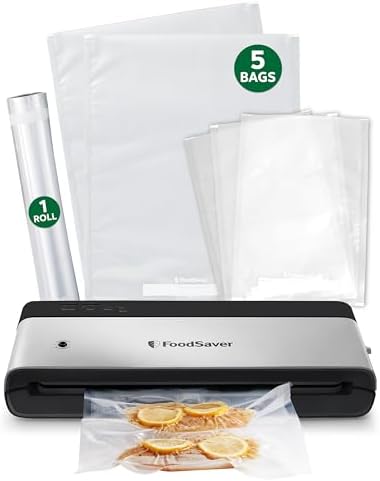
Vacuum sealing removes the oxygen that causes freezer burn and extends the freezer life of your cooked proteins from weeks to months. A basic FoodSaver model runs $50 to $80 and will pay for itself within your first month of batch cooking. This is not a suggestion or a nice-to-have. If you're serious about this system, a vacuum sealer is the price of entry.
→ Read: Essential Batch Cooking Equipment - the tools that make the system work
The Math That Matters
The average American family of four wastes roughly $1,500 to $2,900 per year on food they buy and never eat. Even cutting that waste in half puts $750 to $1,450 back in your pocket annually - without changing what you buy, just how you handle it.
The 24/48 rule specifically targets the most expensive category of food waste: raw meat spoilage. When you cook everything within 24 hours and seal it within 48, your spoilage rate on proteins drops to near zero. You're not throwing away $18 packages of chicken thighs. You're not rescuing questionable ground beef. You're converting every dollar you spend at the meat counter into actual meals.
Combine that with buying in bulk or on sale - which the 24/48 rule specifically enables - and the savings compound. You're paying less per pound and using 100% of what you buy. That's not a coupon-clipping trick. That's a system.
Start Here
If this is new to you, don't try to overhaul everything at once. Start with one protein, one batch cook, one seal-and-store session.
Ground beef is the easiest starting point. Buy 5-6 pounds, brown it all at once with taco seasoning, portion it into 1.25-pound vacuum sealed bags, and freeze. You just built four different dinners - tacos, burritos, nachos, quesadillas, taco salad - from 30 minutes of work.
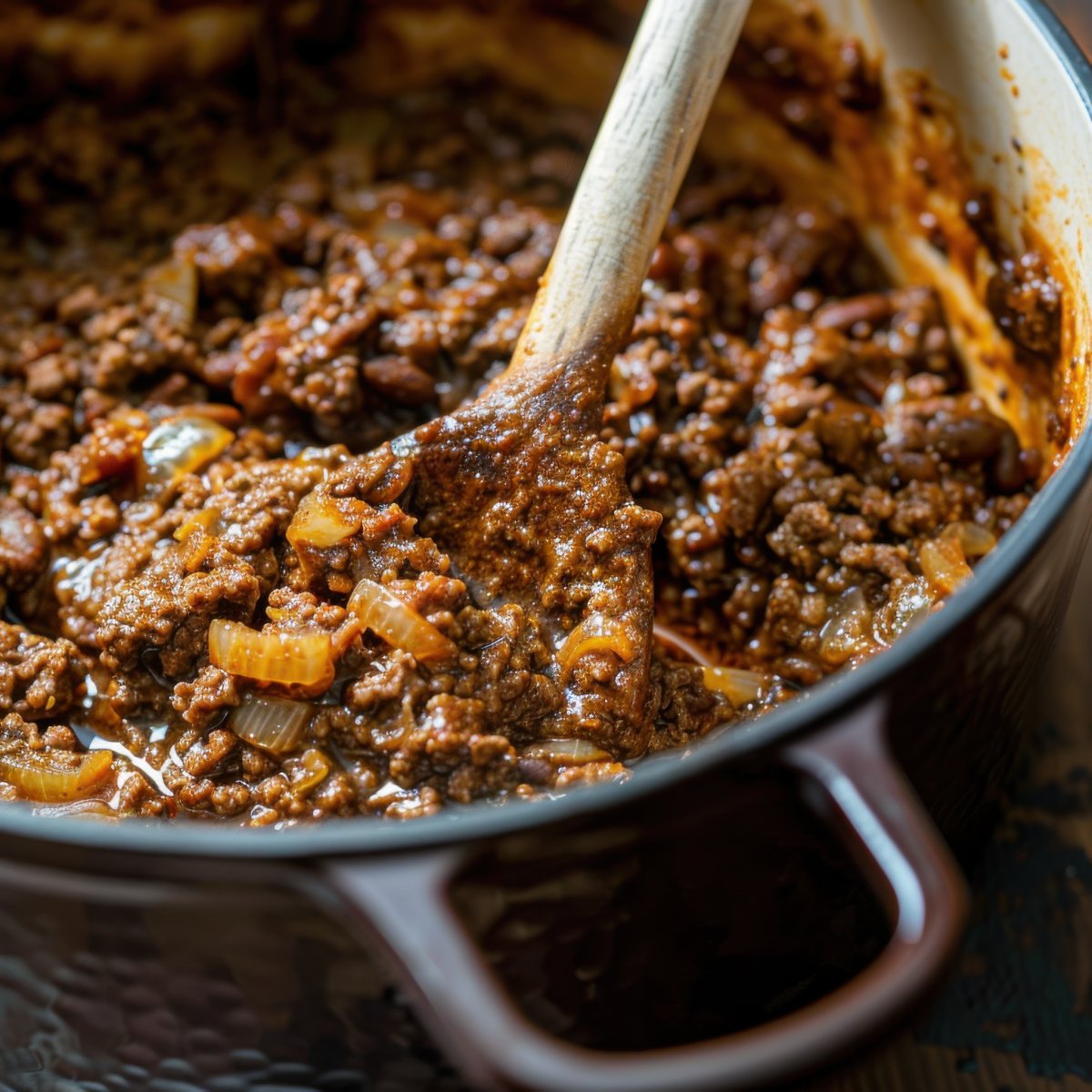
Batch Taco Meat
one cook, four dinners, under $30
Once you see how it works with one ingredient, you'll want to do it with chicken, pork, rice, and beans. That's where the system starts multiplying.
→ Read: Batch Cooking 101 - the complete system explained
Get the 5-Email Walkthrough
If you want a step-by-step introduction to batch cooking - the grocery list, the cook session, the five meals you'll build from it - I'll walk you through it over five days. One email per day, no fluff.
The first step isn't buying better food or learning new recipes. It's stopping the bleed - the money you're already spending that never becomes a meal. The 24/48 rule is how you close that gap.