
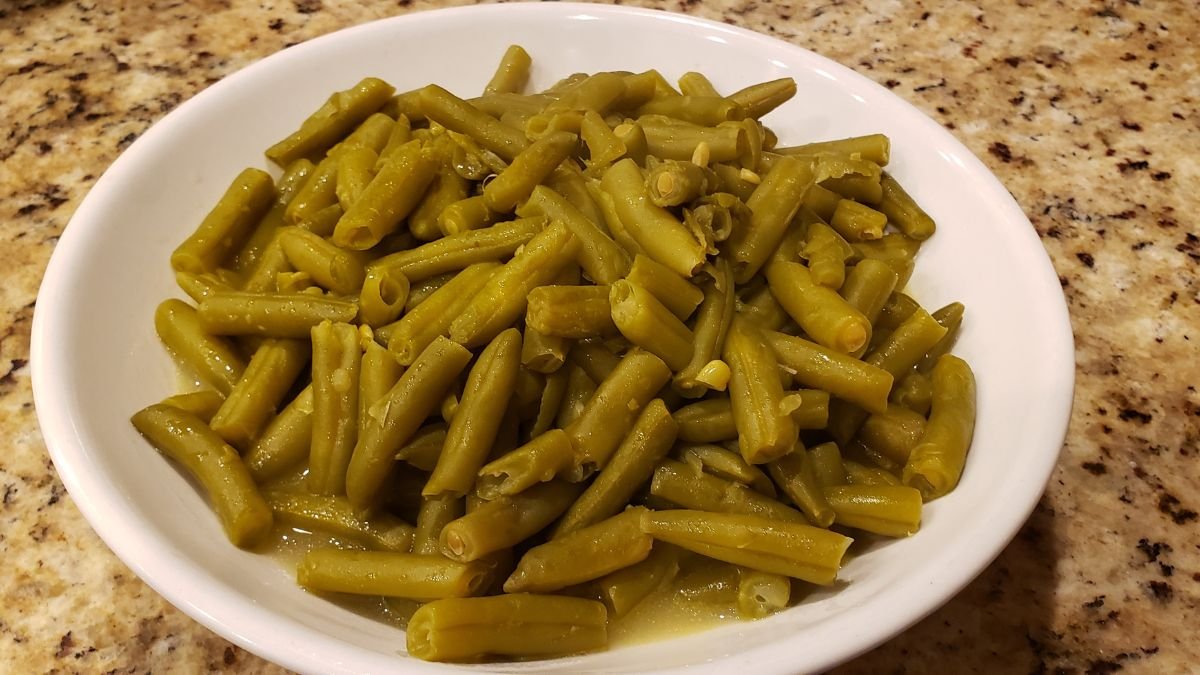

Blue Lake Cut Green Beans
Ingredients

Equipment
Method
- Drain half of the liquid from the can.
- Pour the remaining beans and liquid into a 4-quart pot.
- Add the butter.
- Cover and simmer for 15 minutes.
- Serve.
Notes
Tried this recipe?
Let us know how it was!Why This Recipe Works
I know my credibility might take a hit here, but Del Monte Blue Lake cut green beans are genuinely one of my favorite vegetables. Not just favorite canned vegetables-favorite vegetables, period. I've always had these at Thanksgiving dinner and specialty meals because I actually love eating them. Add grass-fed butter and proper technique, and they're exceptional. They provide that homey, country look on the table, and I often serve them right alongside fresh French green beans-the contrast works beautifully. The French beans give you bright green color and crisp texture, while these offer tender, buttery comfort. Different people like different styles of green beans, and there's no reason you can't honor both. This is budget-friendly comfort food that doesn't apologize for what it is, and when you use proper butter-braising technique, it's a side dish that actually gets eaten.
The Technique That Matters
This isn't just heating beans in a pot. You're butter-braising them-a restaurant finishing technique that transforms the texture and integrates fat, seasoning, and flavor in a way that simple heating never could.
What You're Actually Doing
The beans are already cooked from canning, so you're finishing them like a professional kitchen would finish any vegetable side. The canning liquid has flavor-don't dump it. That liquid becomes your braising medium along with the butter. As everything simmers gently with the lid on, the beans absorb fat and seasoning while the liquid reduces into a slightly thickened sauce that clings to each piece.
The critical elements are grass-fed salted butter and moderate heat. Cheap butter or high heat gives you greasy, separated beans floating in melted fat. Quality butter at a gentle simmer gives you richness and proper emulsification-the butter integrates with the liquid rather than sitting on top. The salt in the butter seasons as it melts, distributing evenly throughout. This is exactly why professional kitchens finish vegetables with butter: it's not just about richness, it's about texture and proper seasoning distribution. Low heat and patience let the fat coat every surface while maintaining the beans' integrity.
Selecting and Preparing Green Beans
The specific callout for Del Monte Blue Lake variety isn't arbitrary nostalgia. Blue Lake beans have genuinely better texture and sweeter flavor than standard canned green beans. I don't like any other brand or any other cut-I've tried them all, and this specific variety is worth seeking out.
What to Look For
- Brand and variety: Del Monte Blue Lake specifically-the variety matters significantly with canned beans, affecting both texture and flavor
- Cut style: Cut beans work better than whole for this method; more surface area means better butter contact and coating
- Can size: One No. 3 can or two No. 2.5 cans depending on availability in your area
- Butter quality: Grass-fed salted butter like Kerrygold-in something this simple, the butter flavor is front and center
Common Mistakes and How to Avoid Them
Simple recipes still require proper execution. Most problems come from rushing the process or using inferior ingredients when quality actually matters.
Problems and Solutions
- Problem: Greasy, separated beans with pools of melted fat → Solution: Heat too high; keep it at a gentle simmer so butter emulsifies with the liquid rather than separating
- Problem: Mushy, broken beans that lose their shape → Solution: Vigorous stirring or rolling boil; use low heat and stir gently only when necessary
- Problem: Bland, watery flavor → Solution: Using unsalted or low-quality butter; grass-fed salted butter provides both the seasoning and richness this dish needs
- Problem: Watery sauce that won't cling to beans → Solution: Not simmering long enough; give it the full time for liquid to reduce and thicken slightly
Timing and Doneness
Since the beans are fully cooked from canning, you're not cooking them to tenderness-you're finishing them. The timing is entirely about liquid reduction and butter integration, not about the beans themselves.
What Done Looks Like
The beans should be glossy and evenly coated, with just enough liquid left to create a light, cohesive sauce-not soupy, not dry. When you tilt the pot, you should see butter and liquid combined into something unified, not separated pools of fat floating on top. The beans should be hot throughout but still holding their shape with no broken or mushy pieces. This typically takes the full cook time specified; resist the urge to crank the heat and rush it. Proper emulsification takes gentle heat and patience.
Variations and Serving Suggestions
Once you understand the base butter-braising technique, this recipe accepts modifications well without losing its character.
Make It Your Own
- Seasoning variations: Black pepper, garlic powder, or a pinch of red pepper flakes add complexity; crispy bacon bits or caramelized onions take it further if you want
- Dietary modifications: Olive oil instead of butter works for dairy-free, though you'll lose some richness and need to add extra salt to compensate for the salted butter
- Serving ideas: Perfect alongside meatloaf, fried chicken, pork chops, or any comfort food main; also ideal for holiday tables when oven space is limited and you need a reliable vegetable side
Why It's Worth Making
Not every recipe needs to be complicated to deserve a place in your rotation. This is reliable comfort food that delivers consistent results with minimal effort-the kind of side dish that feeds kids without complaint, doesn't break the budget, and actually gets eaten. Master this simple butter-braising technique and you'll have a vegetable side that works for weeknight dinners and special occasions alike. Sometimes the best cooking is just treating simple ingredients with enough respect to let them be what they are: good, honest food done right. These beans have been on my holiday table for years, and they'll keep showing up because they're delicious, dependable, and genuinely worth making.
Recipe
Blue Lake Cut Green Beans
Ingredients
Equipment
Method
- Drain half of the liquid from the can.
- Pour the remaining beans and liquid into a 4-quart pot.
- Add the butter.
- Cover and simmer for 15 minutes.
- Serve.


Was this helpful?
You must be logged in to post a comment.