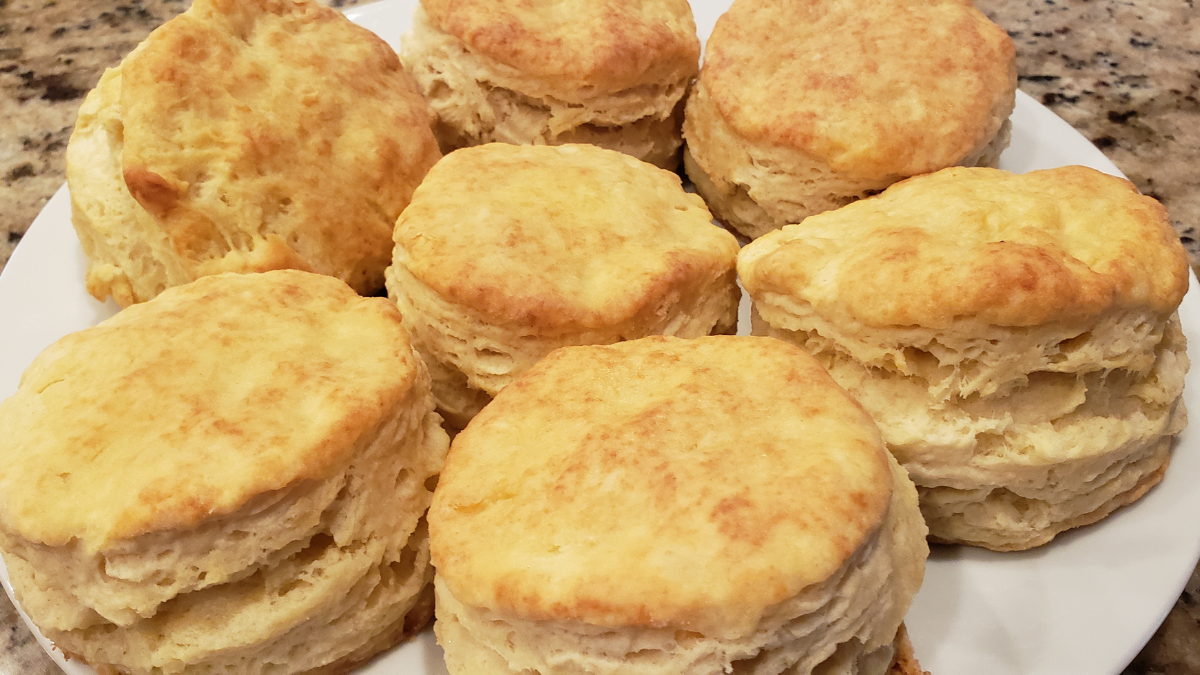
Protein gets most of the attention in a batch cooking system. Starches do most of the work.
Rice, potatoes, pasta, and beans show up at nearly every meal. They're the base that a batch protein lands on, the side that fills the plate, the component that turns a single cooked chicken thigh into a complete dinner. Getting the starch system right - knowing what to cook in volume, what to freeze, what to keep fresh, and how to cook each one correctly - is the difference between a system that runs smoothly and one that constantly has a missing piece.
This page covers every starch in the rotation, with one critical nuance that most home cooks get wrong: not all starches freeze equally, and the fat content of the dish determines what survives the freezer and what doesn't.
Disclosure: Some links on BatchAndGather are affiliate links. If you click one and buy something, I may earn a small commission - at no extra cost to you. I only recommend things I'd actually use or that meet the standards I'd apply in a professional kitchen. As an Amazon Associate I earn from qualifying purchases.
Why Fat Determines What Freezes
Plain cooked rice frozen in a bag comes out grainy, wet, and unpleasant. The same rice cooked in the pilaf method with butter and chicken stock comes out of the freezer nearly identical to the day it went in. The variable is fat.
Fat coats starch granules during cooking, protecting their structure through the freeze-thaw cycle. Without that fat coating, water inside the starch cells expands during freezing and ruptures the cellular structure. The result is mushy, wet starch that no amount of reheating fixes.
This principle applies across every starch:
- Mashed potatoes with butter and cream: freezes well
- Plain boiled potatoes: poor results
- Rice pilaf with butter and stock: freezes well
- Plain steamed white rice: grainy and wet on reheating
- Mac and cheese with a roux-based cheese sauce: freezes well
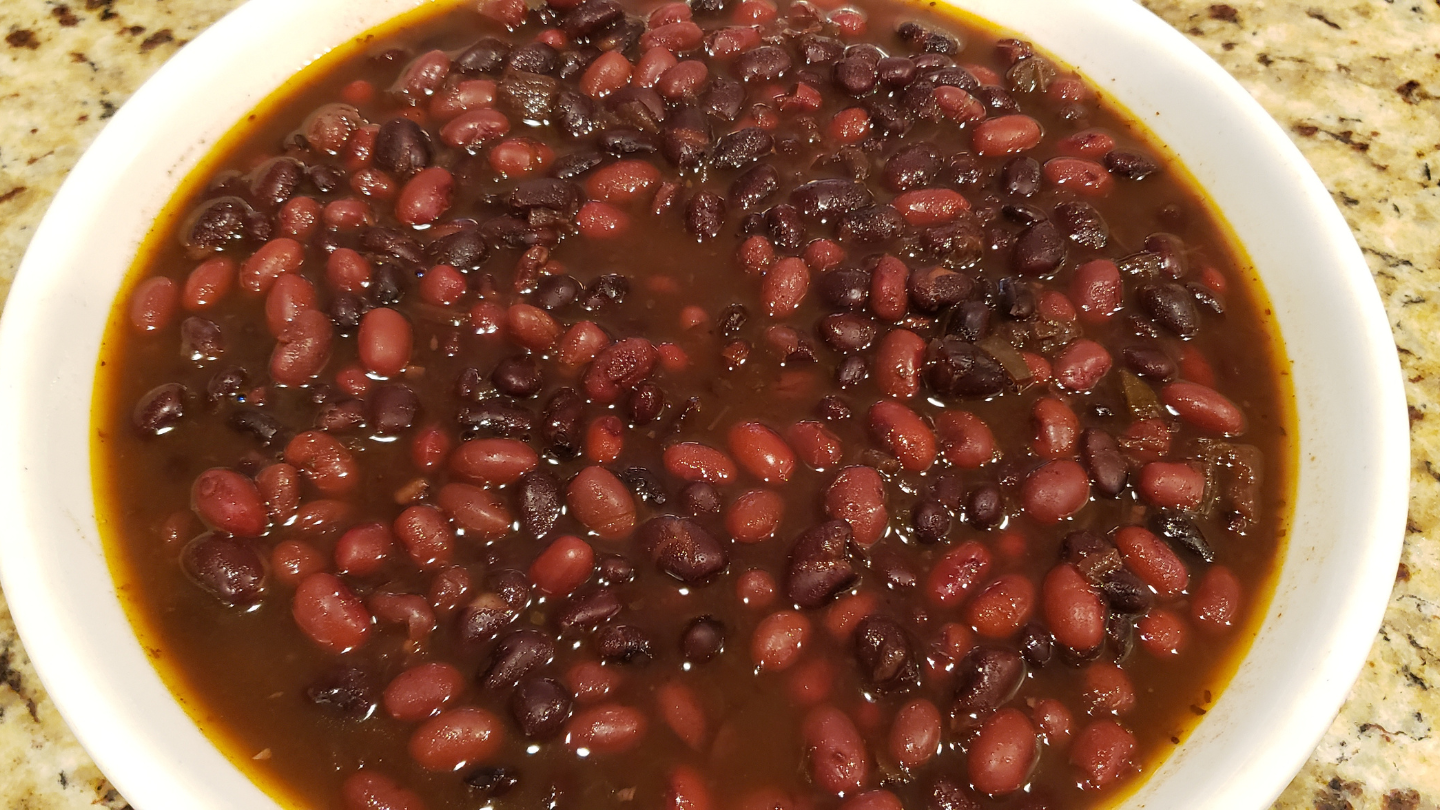
- Beans cooked with aromatics and fat: freezes well
- Pasta in water: does not belong in the freezer at all
The rule is simple: if fat went into the cooking, the starch is a freezer candidate. If it didn't, it isn't.
Rice
Rice is the most versatile starch in the batch cooking rotation. It pairs with every cuisine, absorbs sauces and braising liquids beautifully, and - when cooked correctly - holds in the freezer for months without quality loss.
The formula
- 1 cup raw long grain white rice = 2 servings
- 1 teaspoon Morton kosher salt per cup of raw rice (in the cooking liquid)
- Standard stovetop: 2 cups liquid per 1 cup raw rice
- Pilaf method (toasted in fat first): 2.5 cups liquid per 1 cup raw rice
Why pilaf method needs more liquid
Toasting rice in butter or beef fat before adding liquid creates a hydrophobic barrier on the exterior of each grain. That coating slows water absorption, which is why pilaf rice stays separated and fluffy rather than clumping. It also requires approximately 25% more liquid to fully hydrate. If you're using standard 2:1 ratios on pilaf-method rice, it's coming out undercooked. Adjust to 2.5:1 and the problem disappears.
Rice cookers and batch consistency
A rice cooker isn't required for batch cooking rice, but it removes the single biggest variable - attention. Set it, walk away, come back to perfectly cooked rice every time. The keep-warm function also buys you flexibility during a batch session when stovetop space is already committed to proteins or sauces. A quality 8-cup digital model handles a full batch easily and runs under $50.

- SMALL & SMART: This 8-cup rice cooker is the perfect size for individuals, couples, and small families. Get all the digi...
- 8 MODES: Fluffy white and brown rice is just the beginning. This electric rice cooker turns into a 2-quart slow cooker a...
- PRO SENSORS: Sensor Logic Technology tracks moisture and adjusts heat while it cooks. Sauté-then-Simmer STS brings out t...
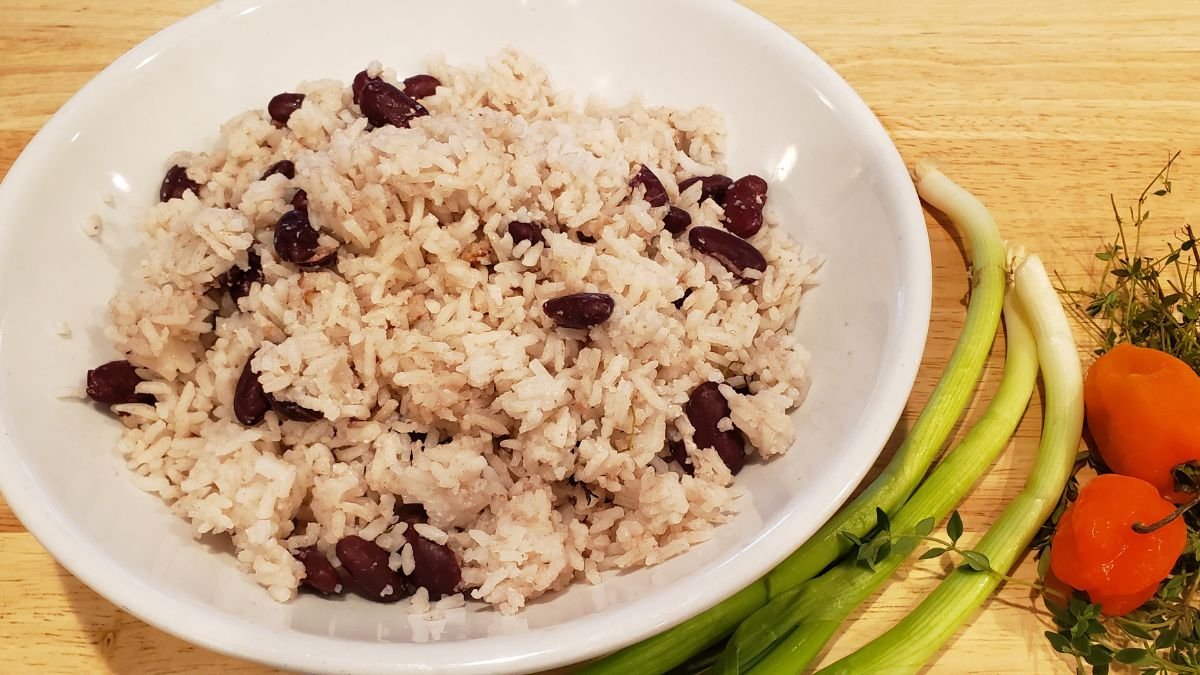
I use the Aroma 10-cup cooker i bought nearly 20 years ago - it still produces consistent results batch after batch, including my wife's Jamaican rice and peas. When you're ready to add one to your kitchen, it's one of the highest-value investments per dollar in the batch cooking toolkit.
- Batch Jamaican Rice and Peas - 8 Caribbean Portions
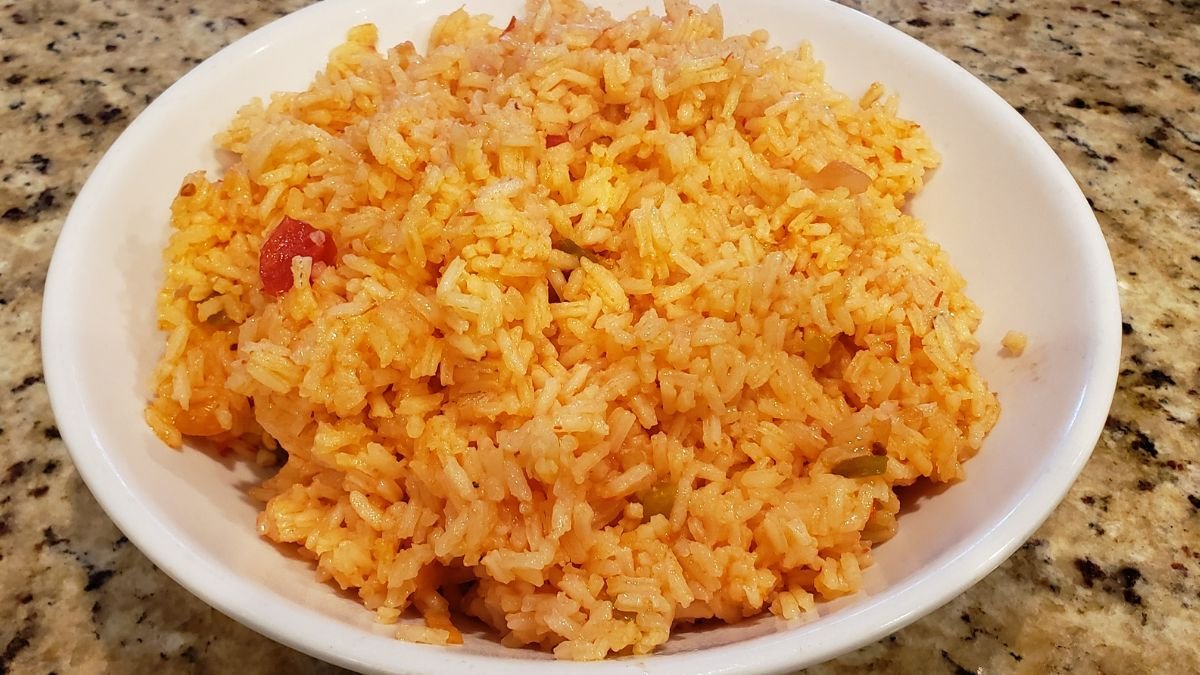
- Batch Mexican Rice - 12 Restaurant Portions from Scratch
- Batch Rice Pilaf - 12 Portions from One Sunday Cook
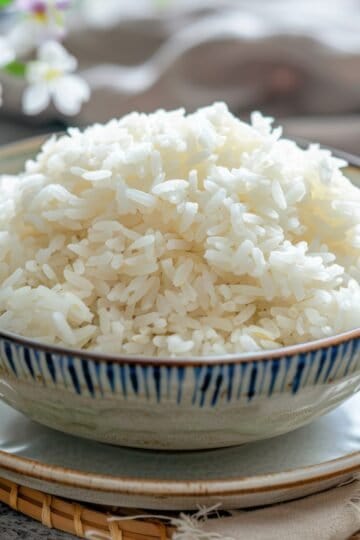
- Batch White Rice - 12 Portions in a Rice Cooker

Potatoes
Potatoes are the most comforting starch in the rotation, and most of the ways you love them are built to cook ahead. The deciding factor is fat: mashed-style potatoes loaded with butter and cream freeze and reheat beautifully, while leaner preparations don't survive the trip. Cook them right and they come back creamy and full, never gluey.
The formula
1 medium potato per person. Scale up to 1.25 per person if potatoes are the primary starch with lighter sides.
Mashed potatoes - the freezer-friendly version
Mashed potatoes freeze well only when fat is built into the recipe. Butter and cream are non-negotiable - not optional additions for richness, but structural ingredients that determine whether your mashed potatoes come out of the freezer as mashed potatoes or as wallpaper paste. A properly made mashed potato with adequate butter and cream reheats with a splash of warm cream and a stir. An under-fatted mashed potato is a loss.
Roasted potatoes
Roasted potatoes freeze acceptably, but the exterior goes soft in the freezer. The recovery is simple: reheat on a sheet pan at 425°F or in an air fryer until the outside crisps back up. Ten minutes at high heat and they're back in the game. It's not the same as fresh out of the oven, but it's functional - and functional is what the system runs on.
Batch method for mashed
Boil, rice or mash while hot, fold in butter and cream while still warm. Portion into vacuum seal bags or airtight containers. Freeze flat.
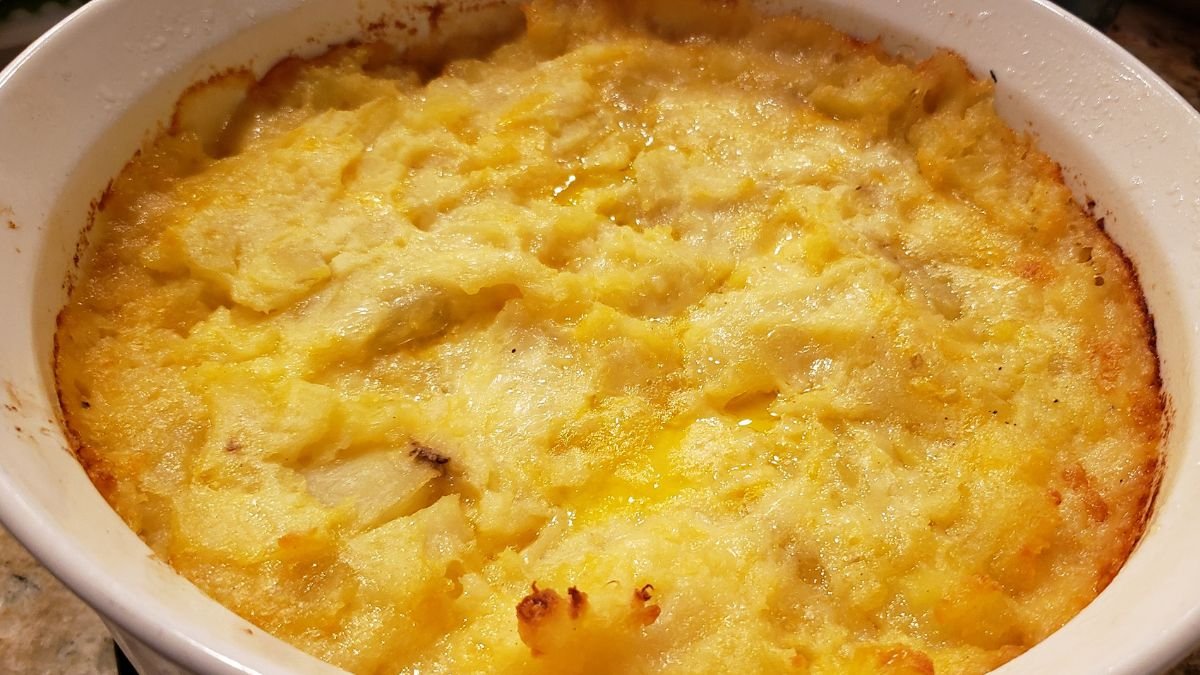
- Batch Cheesy Gold Mashed Potatoes - Restaurant Quality
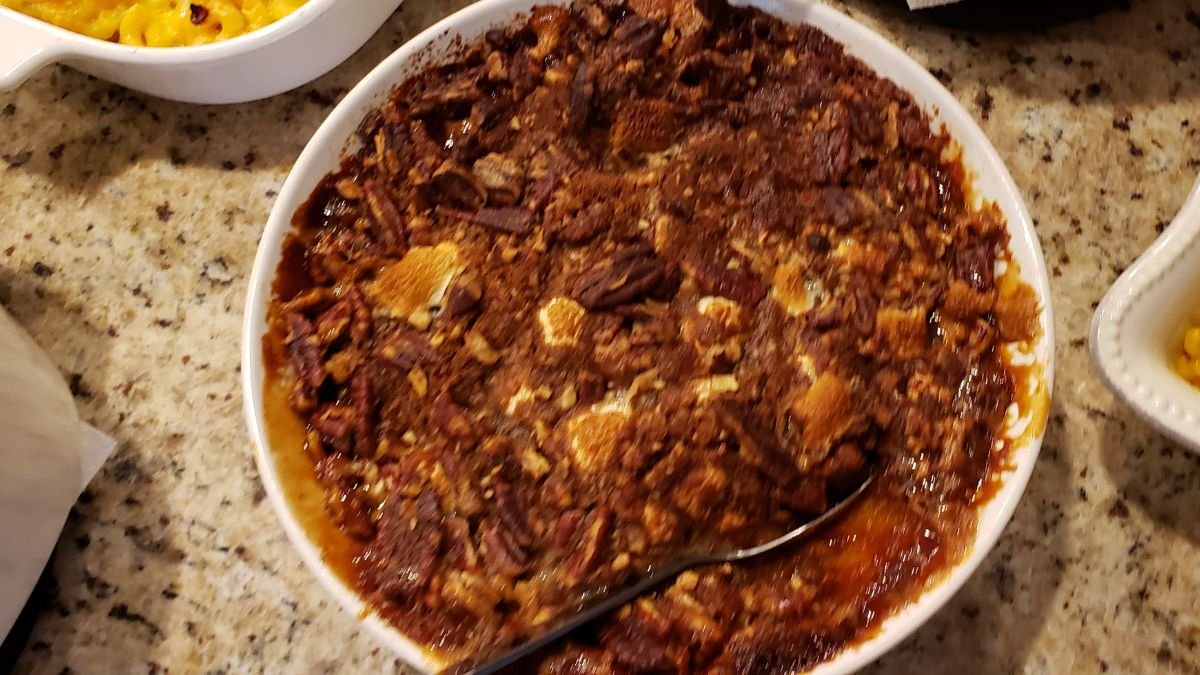
- Sweet Potato Casserole - Make-Ahead Holiday Technique
Beans & Lentils
Beans are one of the most underutilized components in a batch cooking system. They're cheap, they're filling, they absorb flavor from everything around them, and they freeze extremely well - provided they weren't cooked in plain water.
The formula
- 1 cup dried beans = approximately 3 cups cooked = 6 servings as a side
- 1 pound dried beans = approximately 2.5 pounds cooked
- Lentils: 1 cup dried = 2.5 cups cooked (no soaking required)
The fat rule applies here too
Beans cooked in seasoned liquid with aromatics - onion, garlic, butter or lard, herbs - freeze noticeably better than beans cooked in plain water. The fat and aromatics penetrate the bean during cooking, protecting cell structure through the freeze-thaw cycle the same way butter protects a mashed potato. Plain water-boiled beans freeze adequately but lose texture. Beans cooked properly freeze and reheat close to the original.
Batch method - stovetop or oven
Soak dried beans overnight, drain, cover with fresh stock or seasoned water, add aromatics, cook low and slow. Don't rush beans - a hard boil breaks down the exterior before the interior is done. Low and slow gives you beans that hold their shape through freezing and reheating. Cool completely before vacuum sealing - beans carry more liquid than other batch components and need to be fully cold before sealing.
Lentils
No soaking required, cook faster, and are even more forgiving in the freezer than dried beans. Red lentils break down into a thick, smooth consistency - ideal for soups and dal-style applications. Green and brown lentils hold their shape and work well as a standalone side or salad base.
For crowd cooking
Beans are one of the most cost-effective crowd cooking components available. A 5-pound bag of dried pinto beans, cooked properly and held in a hotel pan, feeds a crowd at a fraction of the protein cost. They're not a backup plan - they're a system component.
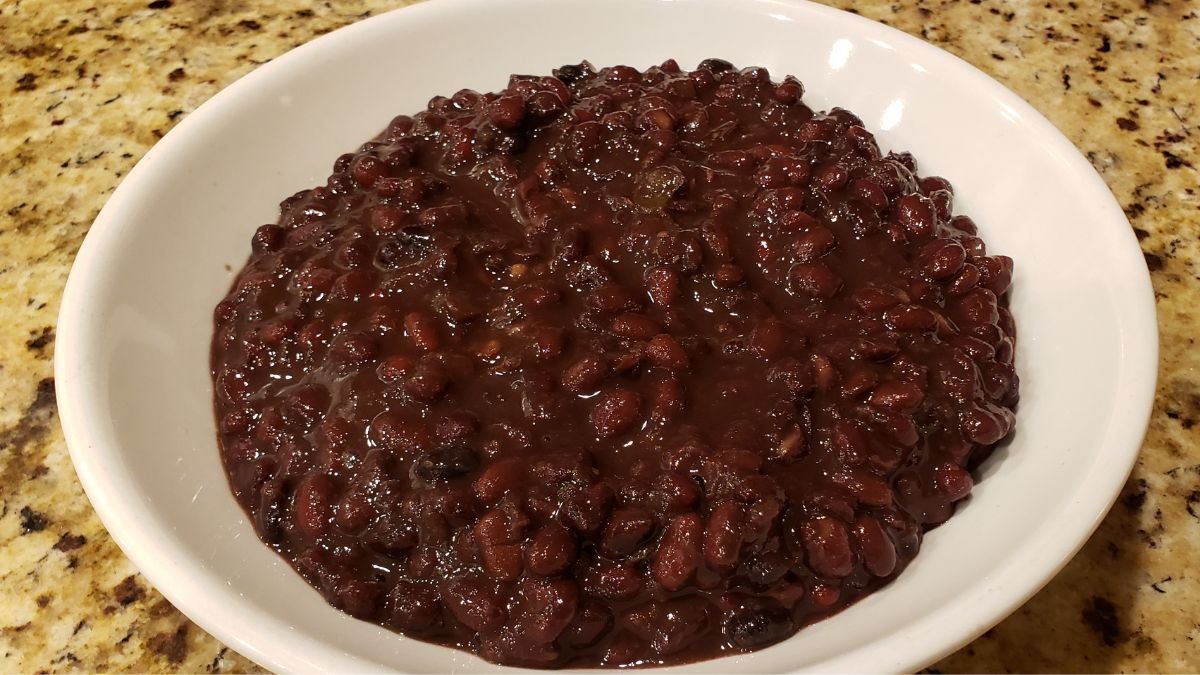
- Batch Cuban Black Beans - 12 Portions for Quick Dinners
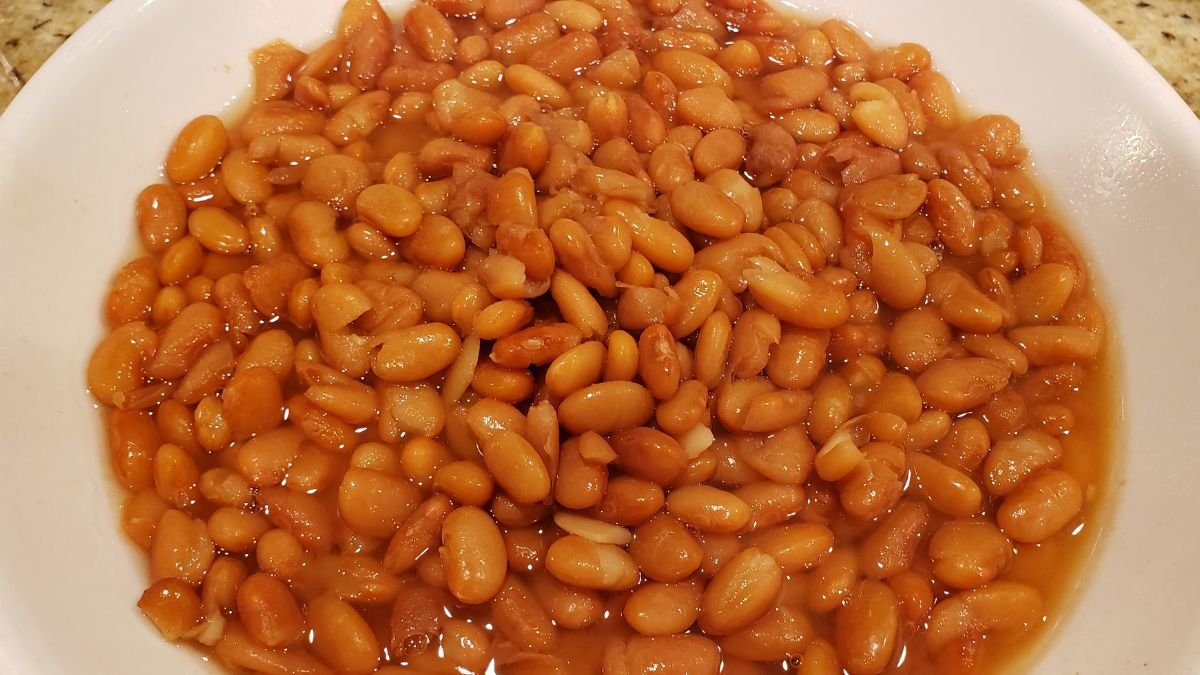
- Batch Pinto Beans - 16 Portions of Comfort Food
- Batch Chili Beans - 16 Portions from One Afternoon
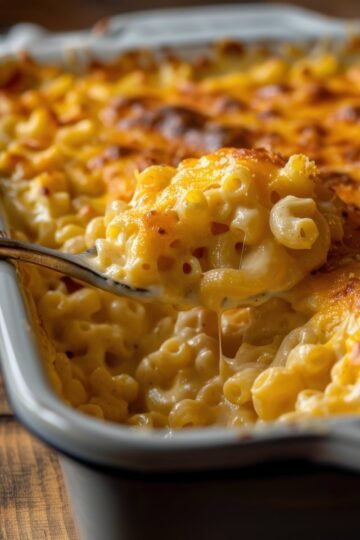
Mac and Cheese - The Exception That Proves the Rule
Mac and cheese is a starch dish that behaves like a protein dish in the freezer - it holds well, reheats cleanly, and can be made in large volume without quality loss. The reason is the roux-based cheese sauce that carries more fat per serving than almost any other starch dish in the rotation.
The method
Slack roux base - butter, AP flour, half and half - finished with a cheese blend of mild cheddar, sharp cheddar, and American. Sharp cheddar topping. The American cheese is what keeps the sauce smooth and emulsified through freezing and reheating - it's not a concession, it's a technical decision.
For make-ahead and crowd holds
Add an egg to the finished mac and cheese before baking. The egg sets the dish structurally, allowing it to hold under hotel pan heat without breaking down into a greasy, separated mess by the second hour of service.
Freezer method
Cool completely, portion into vacuum seal bags or airtight containers. Reheat in a 325°F oven covered with foil, or in a hotel pan at the same temperature with a splash of cream to restore sauce consistency.
Pasta - Why It Stays Out of the Freezer
Pasta is the exception in the starch system. It does not freeze well - cooked pasta frozen and reheated becomes gummy, mushy, and texturally ruined regardless of how it was cooked or sealed. Keep it out of the freezer. The refrigerator is where it lives.
The correct pasta approach
Cook one pound of dried pasta Sunday evening. Season the water correctly - 2 tablespoons Morton kosher salt per gallon - at a full rolling boil before the pasta goes in. Cook to al dente, drain without rinsing (rinsing washes away the surface starch that helps sauce adhere), toss with a small amount of olive oil to prevent clumping, and transfer to an airtight container immediately. Airtight matters - cold pasta dries and toughens at the cut edges when exposed to refrigerator air. A Rubbermaid Brilliance container solves this.

- Crystal clear: Made with BPA free Tritan plastic for 360-degree clarity, keeping food fresh and secure
- Stain and Odor resistant: Ensures the plastic food container stays looking like new
- Microwave-friendly: Built-in vents under the latches for splatter-resistant reheating with lid on
That pound carries you through Monday, Tuesday, and Wednesday. Thursday, cook a second pound. Same process, same container. That second pound carries through the end of the week.
The formula
1 pound dried pasta = 4 adult dinner portions.
Using pasta from the refrigerator
Do not reheat pasta separately in water. Drop cold pasta directly into hot sauce or into a pan with thawed batch protein and a splash of pasta water or stock. The pasta reheats in the sauce, picks up flavor, and finishes at the correct temperature without becoming overcooked.