
You don't need a kitchen full of gadgets to batch cook. You need about six things - the right six things - and the understanding of why each one earns its counter space.
Most "essential kitchen tools" lists are written by people who get paid when you click affiliate links. This one is written by someone who ran professional food service operations for over 15 years and has cooked thousands of meals in batch format. Every recommendation here has been tested in actual batch cooking sessions - not staged for a blog photo and returned.
The difference between struggling through a batch cook and finishing in 90 minutes with a full week of meals is almost always equipment, not skill. The right sheet pan doesn't burn. The right thermometer doesn't guess. The right storage system doesn't let your food die in the freezer after six weeks. Here's what actually matters and why.
Disclosure: Some links on BatchAndGather are affiliate links. If you click one and buy something, I may earn a small commission - at no extra cost to you. I only recommend things I'd actually use or that meet the standards I'd apply in a professional kitchen. As an Amazon Associate I earn from qualifying purchases.
The Non-Negotiables, Tools Every Batch Cook Needs
These aren't aspirational. These are the tools that, if missing, make batch cooking harder than it needs to be - or break the system entirely.
The Vacuum Sealer - Buy This First
Before sheet pans. Before a Dutch oven. Before anything else on this page.
The vacuum sealer is the only piece of equipment where not owning it means you are not batch cooking - you are just cooking a lot of food and hoping for the best.
Here's why it's non-negotiable: the batch cooking system runs on the 24/48 Rule. You cook raw protein within 24 hours of purchase. Everything not being eaten that week gets vacuum sealed within 48 hours of purchase. That rule only works if the tool to execute it is already in your kitchen.
Vacuum-sealed proteins last 1+ years in the freezer versus 4-6 weeks in a zip bag, and even after a week in a zip bag freezer burn is starting to occur. The math on food waste alone pays for the machine in two months. But the bigger return is what the sealer protects against - freezer burn destroying a $30 batch of ground beef, ice crystals breaking down the texture of proteins you spent two hours cooking, portions that were "fine a couple weeks ago" getting thrown out because you couldn't tell when they went in.
For liquids - soups, stocks, braising liquid - the process is freeze first, then seal. Let the liquid freeze solid, then run it through the sealer. Trying to vacuum seal liquid without freezing it first pulls the liquid into the standard vacuum machine and kills the seal. Freeze first is the technique. If you have the budget, you can invest in a chamber sealer, and use it for solid and liquid foods without the issue. But a standard sealer is the baseline tool needed for the job.
Buy the vacuum sealer first. Everything else follows.

- Dollar Saver: Preserve food up to 3 years in the freezer, maintaining its freshness and taste
- Bag Optimization: Minimizes bag waste with a built-in roll cutter for custom-sized bags
- Consistent Sealing: Dual heat sealing strips ensure optimal vacuum level and an airtight seal
Sheet Pans & Hotel Pans - Your Cooking Surfaces
Half-sheet pans (18×13) are the backbone of batch cooking. Two of these running simultaneously in your oven handle roasted vegetables, sheet pan proteins, and oven-finished batch components. Buy commercial grade - the thin ones warp at high heat, and warped pans mean uneven cooking and pooling oil.
Quarter-sheet pans (13×9) are your prep trays and small-batch surfaces. Seasoning trays, cooling racks, toaster oven fits. Every professional kitchen runs stacks of these for mise en place - your batch cooking setup should too.
Hotel pans are the bridge between batch cooking and crowd cooking. A full-size 4" hotel pan holds enough mac and cheese for 60 people. A half-size holds enough for 25 people. If you ever plan to cook for a gathering larger than your immediate family, hotel pans are the professional equipment that home cooks don't know they need - until they try one.


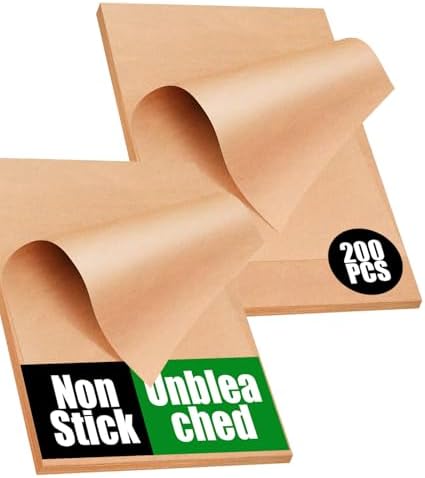
For crowd-scale cooking with hotel pans, see the Crowd Cooking 101 guide.
Storage Systems - Fridge and Freezer Are Not the Same Job
The storage layer is what turns a big cook into a week - or a month - of meals. But fridge storage and freezer storage are two completely different jobs, and they require different tools.
For the freezer: the vacuum sealer is it. No zip bags. No containers. Vacuum sealed only. Anything going into the freezer gets sealed - solids directly, liquids frozen first then sealed. This is not a preference. It's how the system works.
For the fridge - components you'll use within the week: this is where containers earn their place.
Cambro containers are the professional standard for a reason. Airtight, stackable, see-through, and built to survive a commercial kitchen. If it's good enough for a catering operation holding food for service, it's good enough for your fridge. The square containers use space more efficiently than round. The lids seal properly, which matters when you're stacking.
Rubbermaid Brilliance is the home-cook equivalent - airtight, clear, stackable, and easy to find. Both Cambro and Brilliance outperform generic containers on seal quality and stack stability.

- Compatible with All Desktop Vacuum Sealers: These vacuum sealer bags are designed to work with all traditional desktop v...
- PreCut Design: This package contains 150 precut vacuum bags in three convenient sizes: 50 each of 11" x 16" (gallon), 8"...
- Puncture-Resistant & Airtight: Crafted from 4 mil high-tenacity material with a single-side textured dot pattern, these ...

- 100% Leak-Proof & Airtight: Ensures mess-free transport of your favorite foods
- BPA-Free, Clear Tritan Plastic: Offers 360-degree clarity and stays looking like new
- Built-in Steam Vents: Allows microwave heating without removing the lids

- Diverse Size: 6 Pack ¼ 4" food pans measuring 10 ½ x 6 ½ x 4 inches (26.5 x 16.2 x 10cm ) and capacity of 2.78 qua...
- Applicable Temperature: Our food pans with lids withstand the temperature range from -40℉ to 212℉ (-40 ° -100 ° C), whic...
- Durable Material: Made of high-quality plastics such as food grade PC (polycarbonate), which is sturdy and will not brea...
Gallon zip lock bags have one role in this system: short-term fridge storage for components you're using within the week. Cooked pasta, shredded chicken going into lunch tomorrow, a batch of rice heading to the fridge for the next few days. Zip bags in the fridge, vacuum sealer for the freezer. Those are the lanes. They don't cross.
Labels - every container gets a label with contents and date. No exceptions. Your future self at 6 PM on a Wednesday won't remember what's in that unmarked container from ten days ago.
Thermometers - Precision Without Guessing
Instant-read probe thermometer - every professional kitchen has one within arm's reach. For batch cooking, you're pulling multiple proteins from the oven in sequence. A thermometer turns "is it done?" from a guess into a number. No cutting into meat to check. No overcooking because you were nervous. Just temperature.
If you buy one piece of equipment from this entire page after the vacuum sealer, make it a good instant-read thermometer. A $15-20 digital probe changes your cooking more than any pan upgrade.
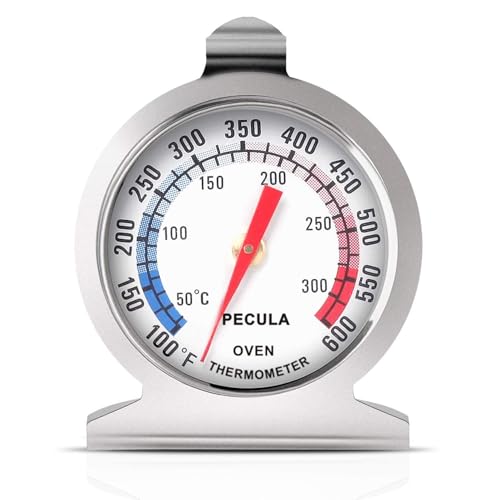
Oven thermometer - your oven lies. Most home ovens are off by 15-25°F from the displayed temperature. A $7 oven thermometer hanging on the rack tells you the truth. When you're running a batch cook with multiple items at different temperatures, knowing your actual oven temp prevents the "why did this burn while that's still raw" problem.
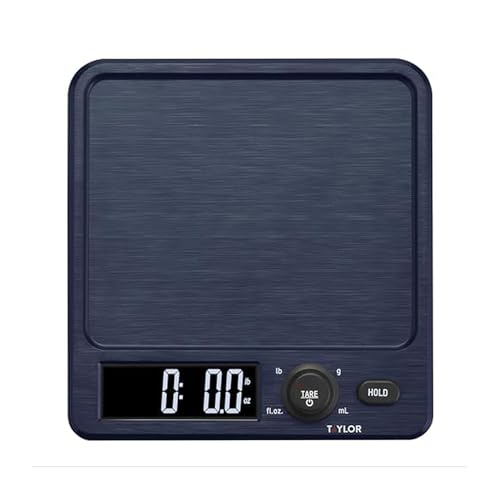
Food scale - a thermometer tells you when it's done. A scale tells you how much you actually have. When you're batch cooking for the week or scaling a recipe for a crowd, eyeballing a pound of chicken or guessing at two cups of rice is where your planning falls apart. A kitchen scale removes the variable. Portion consistency means your storage math is accurate, your nutrition tracking works if you use it, and your recipe scales predictably every time. A $30 digital scale that reads in grams and ounces is the difference between cooking by feel and cooking by system.

For the full breakdown on safe temperatures, cooling protocols, and reheating from frozen, see the Food Safety page.
Small Appliances - What Earns Counter Space
Not everything belongs on your counter. Here's what pulls its weight in a batch cooking workflow and what's marketing dressed up as convenience.
Dutch oven (5-7 quart, cast iron or enameled) - braising vessel, soup pot, bean cooker. This handles every "low and slow" batch component: pulled pork, chili, stock, stewed beans. If your batch cooking includes any proteins that braise, this is essential.
Stand mixer or hand mixer - mashed potatoes for 12, shredded chicken in 30 seconds. A stand mixer is a luxury that becomes essential once you're batch cooking at scale. A hand mixer does 80% of the work at 20% of the cost.
Food processor - batch chopping, slicing, shredding. When your prep list includes five pounds of onions and three heads of cabbage, hand-cutting becomes the bottleneck. A food processor isn't about laziness - it's about removing the prep time that makes people quit batch cooking.
What doesn't earn its spot: Air fryers (redundant if you have a good oven and sheet pans), slow cookers (Dutch oven does everything better with more control), and anything "multi-function" that does six things poorly instead of one thing well. It doesn't mean you shouldn't have them, I have them, but they are not essential for effective Batch Cooking.
The Batch Cooking Equipment Build Order
If you're building your equipment from scratch, here's the sequence that gives you the most capability per dollar - and protects the system from the start.
Buy first: Vacuum sealer. Under $80 for a quality machine. This is not optional and it is not third on the list - it is the foundation the rest of the system rests on. Buy it before anything else.
Buy second: Instant-read thermometer + 2 half-sheet pans. Total investment under $40. This gets you batch roasting with precision immediately.
Buy third: Dutch oven + Cambro or Rubbermaid Brilliance containers + oven thermometer. Total investment $60-100. This adds braising, organized fridge storage, and oven accuracy.
Buy when ready: Food processor + stand mixer. These are efficiency multipliers, not essentials. Wait until your batch cooking habit is established before investing $100-300.
You don't need everything on day one. You need the right thing first - and the vacuum sealer is always first.
All Equipment-Related Content
Every guide, review, and recipe on BatchAndGather that features specific equipment in action.
The System Is More Than the Tools
Equipment is the infrastructure. The system is what makes it work. If you're ready to see how these tools fit into a complete batch cooking workflow - from shopping list to freezer to weeknight dinner - start with Batch Cooking 101.