
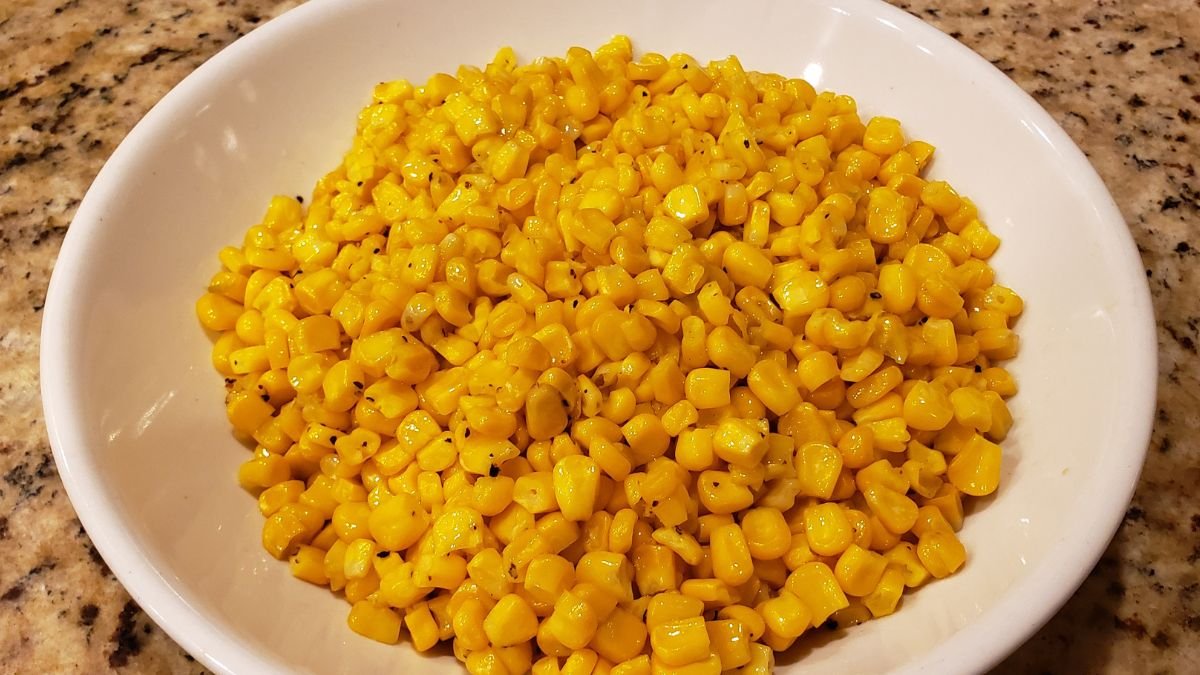

Sauteed Kernel Corn
Ingredients

Equipment
Method
- Melt the butter in a large skillet over medium-high heat.
- Add the frozen corn to the skillet.
- Sauté for about 15 minutes until completely heated through and the corn starts to get some color.
- Sprinkle with salt and pepper.
- Toss a few times.
- Transfer to a serving dish.
Notes
Tried this recipe?
Let us know how it was!Why This Recipe Works
This is my go-to side dish for fall and winter, especially holiday meals. It's simple-frozen corn kernels, butter, salt, and pepper-but when you execute the technique properly, it's absolutely delicious and beautiful on the table. I like serving it in a white or colored ceramic dish (just not yellow), because the golden corn pops visually alongside the greens, whites, and reds of a holiday spread. But beyond presentation, this recipe works because it teaches you the fundamental difference between sautéing and steaming. High, dry heat concentrates the corn's natural sweetness and develops caramelization. No added liquid, no covered pan, no waterlogged texture. Just corn that tastes clean and sweet with the richness of grass-fed butter backing it up. This works for Tuesday chicken dinners, Thanksgiving tables, or whenever you need a vegetable side that looks intentional and tastes better than it has any right to for the effort involved.
The Technique That Matters
The key to properly sautéed corn is high, dry heat. You're not steaming these kernels-you're developing flavor through caramelization while maintaining their structural snap. Frozen corn kernels are already blanched during processing, so you're not cooking them through as much as you're heating them, evaporating surface moisture, and building texture and color.
What You're Actually Doing
When you add frozen corn to a hot skillet with butter, you're accomplishing two things: evaporating the surface moisture from the frozen kernels and creating direct contact between corn and metal hot enough to develop browning. The mistake most home cooks make is adding liquid or covering the pan, thinking they're helping the corn cook faster. That just steams it and turns it mushy. Professional kitchens sauté vegetables dry-the only moisture comes from the ingredient itself, and that moisture needs to evaporate, not accumulate in the pan.
The other critical element is patience during the first few minutes. Frozen corn releases moisture as it thaws in the hot pan. Let that cook off before you start stirring constantly. You want some kernels to sit against the hot surface long enough to pick up color. That caramelization-those golden-brown spots on individual kernels-is where the flavor complexity comes from. It's the difference between corn that tastes one-dimensional and corn that has actual depth and a slight nutty quality that makes people ask what you did to it.
Selecting and Preparing Corn
Frozen corn kernels are the right choice here. Fresh corn cut from the cob works if you're in peak season, but frozen is consistent, available year-round, and already blanched to the right texture. You're looking for plain frozen kernels-not "super sweet" varieties with added ingredients, not corn in butter sauce, just straight whole kernel corn.
What to Look For
- Plain frozen kernels: No added butter, sauce, or seasonings-you're controlling the flavor profile yourself
- Individual quick-frozen (IQF): Loose kernels that pour freely, not a frozen block-they sauté better and more evenly
- Quality brand: Better frozen corn has consistent kernel size and better texture after cooking-cheap corn can be mealy
Common Mistakes and How to Avoid Them
This recipe is simple enough that mistakes are usually about technique execution, not ingredients. Here's what typically goes wrong and how to prevent it.
Problems and Solutions
- Problem: Corn turns mushy and waterlogged → Solution: Never add liquid and never cover the pan-let all moisture evaporate into the air, not accumulate
- Problem: No browning or caramelization develops → Solution: Use higher heat and resist constant stirring-let corn maintain contact with the hot pan surface
- Problem: Corn tastes flat or bland → Solution: Season with enough salt, and ensure you're getting actual caramelization for flavor depth
- Problem: Butter burns before corn is heated through → Solution: Add corn to the hot skillet first, then add butter after the initial moisture has cooked off
Timing and Doneness
Frozen corn needs about 15-20 minutes total in a hot skillet over medium-high heat. You'll know it's done by texture and appearance, not by watching the clock. The early phase is about evaporating moisture-you'll see steam rising and hear aggressive sizzling. Once that moisture is gone, the corn will start to brown where it contacts the pan surface, and the sound will change to a quieter, drier sizzle.
What Done Looks Like
Properly sautéed corn kernels look glossy from the butter coating, with scattered golden-brown spots on individual kernels throughout the batch. The texture should have snap-you bite through the kernel skin with slight resistance, not immediate mush. Taste a kernel: it should be hot throughout, naturally sweet, and slightly nutty from the caramelization. If it tastes watery or one-dimensional, it needs more time and possibly more heat to develop color and concentrate flavor.
Variations and Serving Suggestions
The base technique is the foundation, but this corn takes to variations easily once you've mastered the core method. The key is adding any additional ingredients at the right time-aromatics need time to cook, finishing herbs go on at the end.
Make It Your Own
- Seasoning variations: Add minced garlic or shallots with the butter; finish with lime juice and fresh cilantro; toss with grated Parmesan; add smoked paprika or chipotle powder for heat
- Dietary modifications: Use olive oil or ghee instead of butter for dairy-free; reduce butter quantity for a lighter version without sacrificing technique
- Serving ideas: Pairs with roasted chicken, grilled pork chops, holiday turkey, or as part of a vegetable spread; works mixed into rice or as a base for tacos
Why It's Worth Making
This recipe matters because it teaches fundamental sauté technique while delivering a side dish you'll actually make repeatedly throughout fall and winter. It's fast enough for regular dinners, visually appealing enough for holiday tables, and budget-friendly enough to feed a crowd without stress. Once you understand why this method works-dry heat, proper browning, no added liquid-you can apply the same principles to other frozen or fresh vegetables. But mostly, it's worth making because good corn with butter is one of those simple pleasures that doesn't need complication or fancy ingredients. Just proper execution and the confidence that comes from understanding what you're actually doing in the pan.
Recipe
Sauteed Kernel Corn
Ingredients
Equipment
Method
- Melt the butter in a large skillet over medium-high heat.
- Add the frozen corn to the skillet.
- Sauté for about 15 minutes until completely heated through and the corn starts to get some color.
- Sprinkle with salt and pepper.
- Toss a few times.
- Transfer to a serving dish.


Was this helpful?
You must be logged in to post a comment.