
Batch cooking for beginners starts with one idea that changes everything: you don't need to cook dinner every night. You need to cook once and eat from it all week.
This isn't meal prep. Meal prep is portion control in plastic containers - the same chicken and rice five days in a row until you hate both. Batch cooking is building components - proteins, starches, sauces - that combine into completely different meals every night. Tacos Monday. Burritos Wednesday. Nachos Friday. Same batch of seasoned beef, three different dinners, zero repeat meals.
I spent over 15 years running professional food operations - catering events, managing production kitchens, coordinating menus at major venues. Not once did we cook from scratch during service. Everything was prepped, portioned, and staged ahead of time. Day of? We assembled and served. Fast, consistent, no stress.
The system I teach here is the home version of that. One cook session - 30 to 45 minutes of real hands-on work - produces the base ingredients for an entire week of dinners. You brown the protein, season it, portion it, and put it away. Then every night, you pull a portion from the fridge or freezer and assemble a meal in 10 to 15 minutes.
No recipe to follow each night. No decision about what's for dinner. No standing in a kitchen you don't want to be in after a day that already took everything out of you.
This page is your starting point. Below you'll find the core batch components to learn first, the quick assembly meals they unlock, and the system that ties it all together. Start with one batch. Cook it this weekend. See what happens to your week.
How Batch Cooking Actually Works
Every restaurant kitchen runs on the same principle: prep components in advance, assemble to order during service. A taco shop doesn't cook ground beef when you walk in. The beef was seasoned and cooked hours ago. Your order takes three minutes because the hard part is already done.
Batch cooking brings that system home. There are three layers:
Batch Components are the base ingredients you cook in bulk. A 3-pound batch of seasoned ground beef. A whole chicken broken down and roasted. Two pounds of rice cooked in one pot. These are the building blocks - cooked once, stored in your fridge or freezer, ready to use all week.
Assembly Meals are what you build from those components. Pull a portion of taco meat from the fridge, and tonight's dinner is tacos, burritos, nachos, quesadillas, or taco salad - your choice, assembled in 10 to 15 minutes. The protein is already cooked. You're just choosing a format and adding toppings.
The Multiplier is what happens when you have more than one component ready. Taco meat plus batch rice plus a jar of salsa? Now you have burrito bowls too. Add shredded chicken to that rotation and your dinner options double. Three or four components in your freezer means dozens of different meals available any night of the week.
That's it. Cook components. Store them. Assemble meals when you're hungry. The cooking happens once - on your schedule, when you have the energy. The eating happens all week with almost no effort.
→ Read "The 24/48 Rule" for the storage system that makes this work
What This Actually Saves You
The average American household spends roughly $519 per month on groceries MealThinker - and that's before eating out. Empower research shows the average American spends about $879 per month dining at restaurants Empower, with Gen Z and Millennials among the most frequent. Add another $88 per month on delivery and takeout Escoffier, and the real number for most families lands between $1,200 and $1,500 a month on food - $14,400 to $18,000 a year.
Most of that money goes to convenience, not nutrition.
Here's what one batch component changes:
A 10-pound chub of ground beef costs roughly $60 at Sam's Club. Season it, cook it, and portion it into 8 family-sized batches. Each batch becomes the protein base for a complete dinner for 4: tacos, burritos, nachos, quesadillas, taco salad. Add tortillas, cheese, chips, lettuce - call it another $15 to $20 for assembly ingredients across the week.
Total: roughly $80 for eight dinners. That's $10 per meal feeding a family of four - $2.50 per person.
Compare that to what most families actually spend per meal: $35 to $50 at a sit-down restaurant. $25 to $40 on delivery apps after fees and tip. Even a "cheap" drive-thru run for four people lands at $30 to $45.
Replace just 8 meals a month with batch-cooked dinners, and the savings look like this:
Versus delivery apps ($35/meal average): $35 × 8 = $280 spent. Batch version = $80. Monthly savings: $200. Annual savings: $2,400.
Versus drive-thru ($38/meal average for a family): $38 × 8 = $304 spent. Batch version = $80. Monthly savings: $224. Annual savings: $2,688.
Versus "quick" grocery store runs ($25/meal buying one dinner at a time): $25 × 8 = $200 spent. Batch version = $80. Monthly savings: $120. Annual savings: $1,440.
And that's just one protein - ground beef. Add batch chicken, batch rice, and batch beans into rotation and you're covering 20+ dinners a month at the same per-meal cost. The savings compound fast.
The savings aren't from sacrifice or coupons. They're structural - you stopped buying dinner eight separate times and bought the ingredients for eight dinners once.
Start Here: The Four Base Components
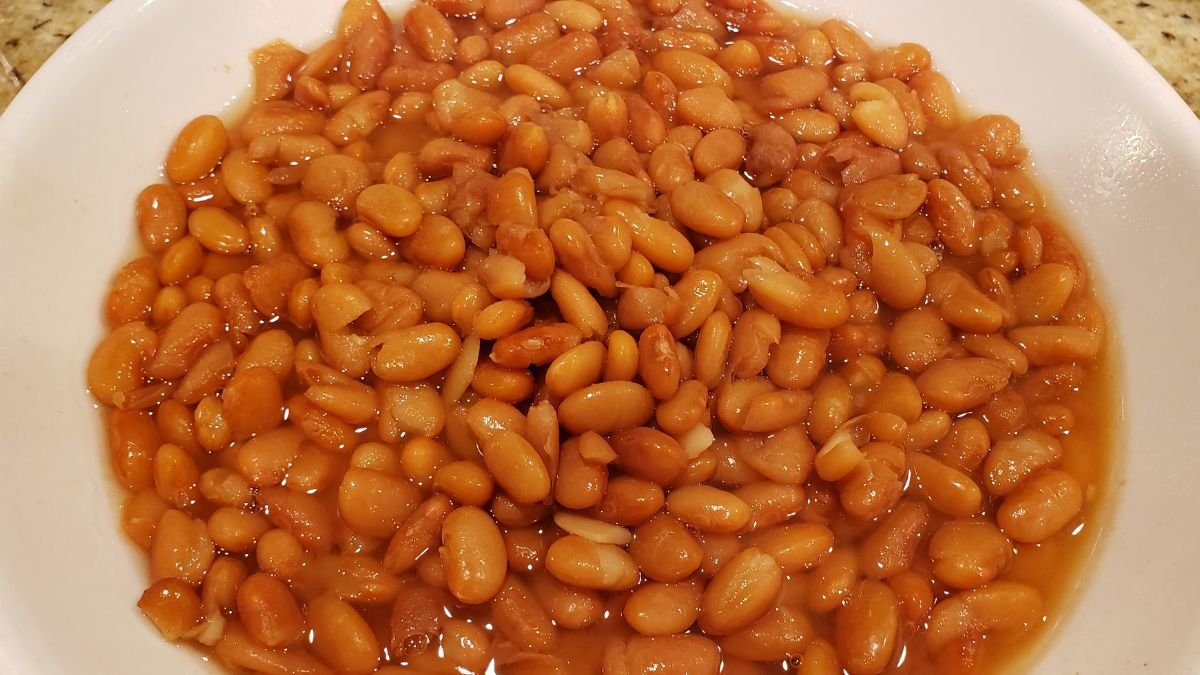
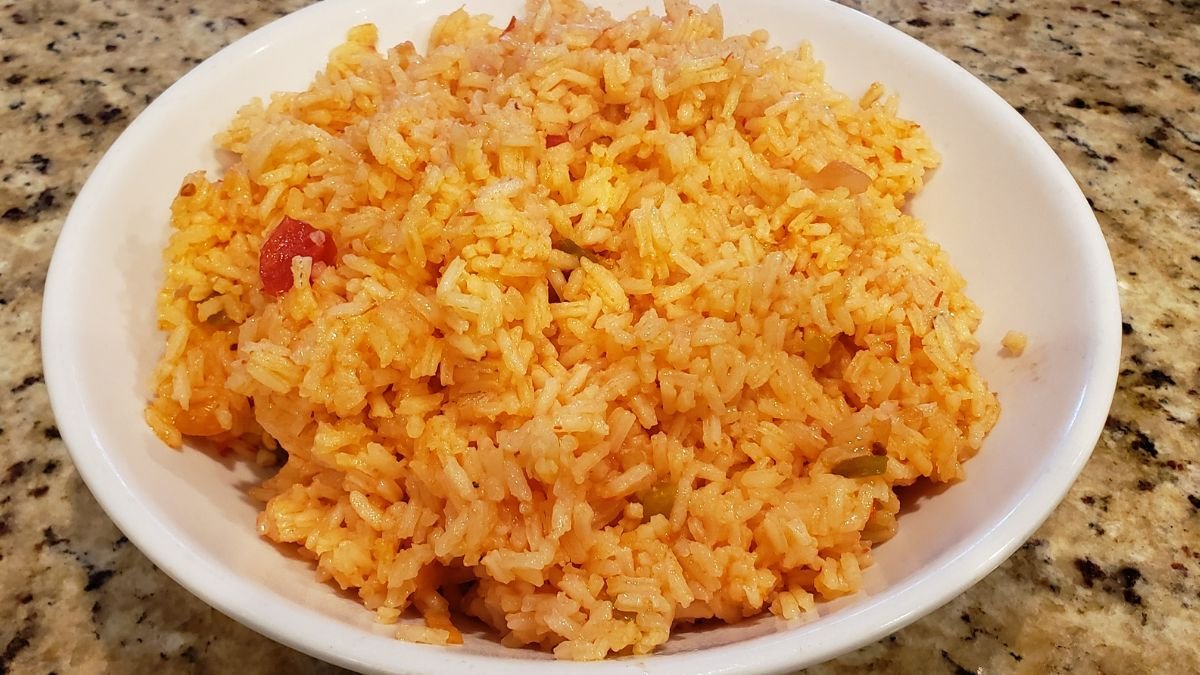
If you've never batch cooked before, these four recipes are where you begin. Each one takes 30 minutes or less of hands-on time, produces 5 or more meals, and teaches you how the system works. Pick one. Make it this weekend.


All Batch Components
These are the building blocks of the system. Every batch component below is designed to be cooked once and used across multiple meals throughout the week. Proteins, starches, grains, beans - each one follows the same pattern: buy in bulk, cook in one session, portion and store, assemble meals for days.
Browse all of them, or start with one protein and one starch. That combination alone gives you a week of dinners.
Batch Component Recipes
- Batch Jamaican Oxtail Stew - 6 Portions Restaurant Gold
- Batch Italian Meatballs - 40 Meatballs, 10 Meals Solved
- Batch Spatchcock Turkey - 9 Portions in 90 Minutes
- Batch Roasted Chicken Thighs - 24 Portions Ready to Use
- Batch Spatchcock Chicken - 4 Dinners from 2 Birds
- Batch Beef Birria - 11 Portions for Restaurant Tacos
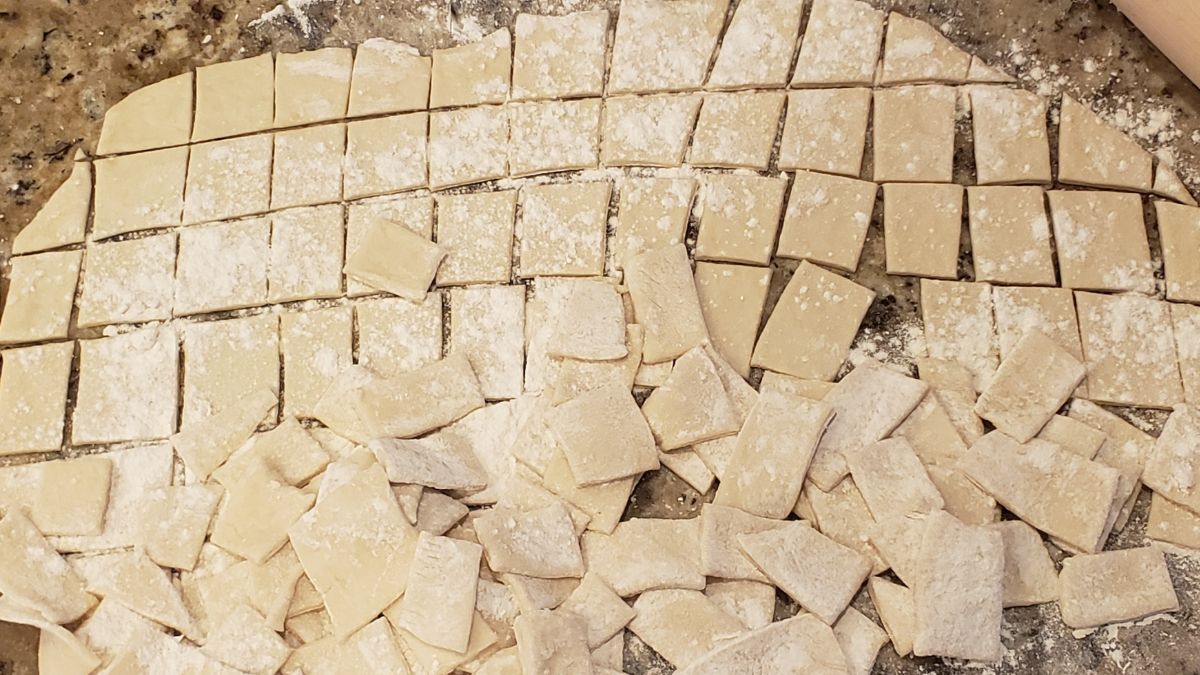
- Batch Soup Dumplings - Freeze for Quick Chicken & Dumplings
- Batch Cajun Spice Blend - Control Salt & Heat Like a Pro
- Batch Jerk Pork - 8 Portions for Island-Style Dinners
- Batch Jamaican Curried Chicken - 6 Portions Ready to Reheat
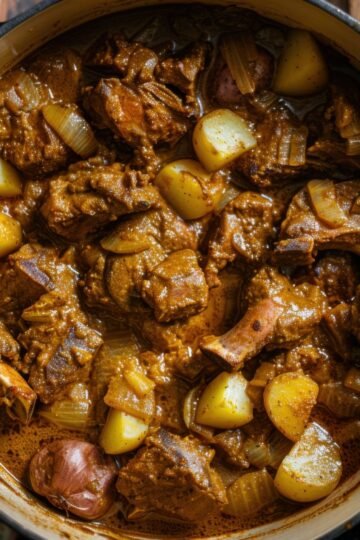
- Batch Jamaican Curried Goat - 6 Portions of Bold Flavor
- Batch Jerk Chicken - Traditional 8-Portion Recipe





What You Actually Eat: Quick Assembly Meals
This is where the system pays off. Every meal below takes 15 to 20 minutes to put together because the protein, starch, or sauce is already cooked and waiting in your fridge or freezer. No recipe required - just pull a portion, pick a format, add toppings, eat.
These aren't sad leftovers. They're intentionally different meals built from the same base ingredients. That's the difference between reheating and assembling.
Quick Assembly Meal Recipes
- Walking Tacos (Frito Bags) - Party Food in 17 Minutes
- Beef Tostadas - 15-Minute Dinner from Frozen Taco Meat
- Taco Salad Bowls - Restaurant Quality in 15 Minutes
- Beef Tacos - Classic 12-Minute Assembly with Taco Meat
- Taco Stuffed Peppers - 20-Minute Assembly Meal
- Beef Taco Soup - 20-Minute Dinner with Batch Taco Meat
- Chili Beef Sloppy Joes - Bold 20-Minute Assembly Meal
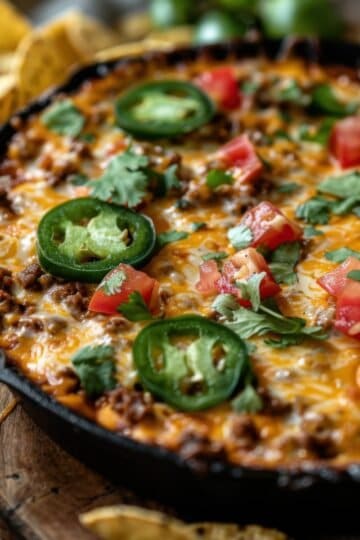
- Taco Cheese Skillet Dip - 20-Minute Party Appetizer
- Chili Beef Cheese Broth Ramen - 20-Minute Fusion Dinner
- Beef Quesadillas - Restaurant Method in 15 Minutes
- Taco Pizza - 30-Minute Dinner with Batch Taco Meat
- Master Fruit Pie - Fresh Baked Pie in 20 Minutes Active Time




The Storage System: The 24/48 Rule
Batch cooking only works if your food stays safe and tastes good days or weeks after you cook it. That's where The 24/48 Rule comes in - the storage framework that keeps your batch components at peak quality.
The 24-Hour Rule: Cook raw meat within 24 hours of bringing it home from the store. That's the maximum window, not the target - same day is ideal. The goal is to get raw proteins cooked and into safe storage as fast as possible. Never buy raw meat with the plan to "freeze it for later." That's not part of this system.
The 48-Hour Rule: Vacuum seal everything within 48 hours of cooking. Again, that's the maximum. Portion while the food is still warm (except liquid-based foods - let those cool first to avoid damaging your sealer), vacuum seal, label with the date, and store in the fridge or freezer.
The vacuum sealer is non-negotiable. There is no substitute. Zip-lock bags let in air. Containers take up too much freezer space and allow freezer burn. A vacuum-sealed batch component stays fresh in the freezer for months and takes up a fraction of the space.
→ Read the full 24/48 Rule breakdown - Freezer Management - including the freezer organization system, par level management, and thawing methods that keep your batch inventory working like a professional kitchen.
The Weekly Batch Cook: 45 Minutes to a Full Week
Here's what a typical batch cook week looks like:
Sunday (or whenever works for you): Pick 2 to 3 batch components. Brown the ground beef while the rice cooks in a rice cooker. Roast a chicken in the oven while both happen. Total active time: 30 to 45 minutes. Passive time (oven, simmering): another 2 hours while you do whatever you want.
Sunday evening: Portion everything. Vacuum seal. Label. Two servings in the fridge for Monday and Tuesday. The rest in the freezer for later in the week or next week.
Monday through Friday: Pull a portion. Pick a meal. Assemble in 15 to 25 minutes. Eat. Done.
No meal planning apps. No complicated spreadsheets. No decision fatigue at 6 PM when you're already exhausted. The decision was made on Sunday. The rest of the week is just assembly.
→ See the full Weekly Batch Cook System walkthrough - including shopping list logic, timing strategies, and how to scale from one component to a full freezer rotation.
What You Need to Get Started
Less than you think. Most batch cooking happens with equipment you already own: a large skillet or Dutch oven, a sheet pan, and a pot for rice or beans. That covers 80% of the system.
The one piece of equipment you'll need to add is a vacuum sealer. Not optional - it's what makes the storage system work. A FoodSaver-style sealer runs $40 to $80 and pays for itself within a month of batch cooking through reduced food waste alone.
Beyond that, invest in a probe thermometer (accuracy matters when you're storing food for days) and a set of hotel pans if you start scaling up for bigger batches or crowd cooking.
→ See the full equipment guide - every tool you need, why you need it, and nothing you don't.
Ready to Start?
The best place to begin is the Stop Cooking Every Night email series - it's free, and it walks you through your first batch cook session step by step. One cook. Five dinners. Five emails over five days.
Or dive straight into the recipes:
- Browse Batch Components - every batch recipe in the system
- See Assembly Meals - what you actually eat each night
- Read the 24/48 Rule - the storage system that makes it all work
Explore the Batch Cooking System
This is the entry point. Each guide below goes deeper into a specific part of the system:
Batch Proteins - Ground beef, chicken, pork, turkey. Every protein batch component with portioning guides, storage instructions, and the assembly meals each one unlocks.
Batch Starches & Grains - Rice, potatoes, pasta, beans. The other half of the system - the base that turns a protein portion into a complete meal.
Batch Sauces & Seasonings - Taco seasoning, marinara, gravy, cheese sauce. The flavor layer that makes assembly meals taste different every night, not like warmed-over leftovers.
Assembly Meals - The payoff. Quick meals built from batch components, organized by cuisine and cook time. This is where the system proves itself.
Freezer Management - The 24/48 Rule, vacuum sealing, par level inventory, thawing methods. Restaurant inventory management adapted for your home freezer.
Weekly Batch Cook System - The complete weekly workflow. Shopping list logic, cook session timing, and how to build a freezer rotation that means you never wonder what's for dinner again.
Start With One
You don't need to overhaul your kitchen, buy special equipment, or commit to a system you've never tried. You just need one batch.
Pick one component from the recipes above. Make it this weekend. See how your week changes when dinner is already done and waiting for you.
That's how every batch cook starts - not with a plan to change everything, but with one cook that changes one week. The system builds itself from there.