
Why This Assembly Meal Works
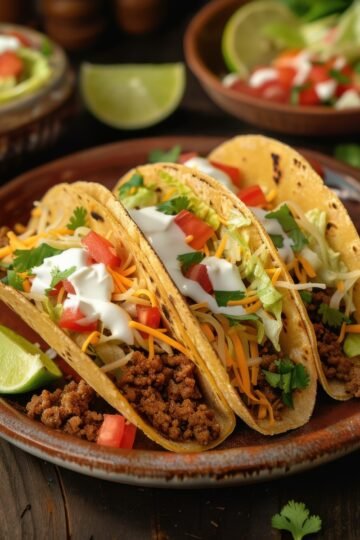
Wednesday night exhaustion is real. You need dinner on the table, but you also need it to be actual food-not another frozen pizza or expensive takeout that arrives cold. This is the exact moment your batch cooking infrastructure pays dividends. That Restaurant-Style Taco Meat sitting in your freezer? It's already seasoned, cooked, and portioned. Tonight you're not cooking from scratch-you're assembling pre-made components with fresh peppers, rice, and cheese into a complete meal that looks and tastes like serious home cooking.
The Batch Component Foundation
This assembly meal requires one portion of Restaurant-Style Taco Meat from your freezer. If you haven't made that batch component yet, start there-it's the foundation that makes this 20-minute dinner possible. That recipe gives you perfectly seasoned ground beef with the right spice balance and texture, portioned into meal-sized containers ready to deploy.
Having that taco meat pre-made changes everything. You're not browning ground beef, measuring cumin and chili powder, adjusting seasoning, or dealing with grease splatter. All that work happened weeks ago. Tonight you're reheating a finished component and building a meal around it. The difference between 90 minutes of active cooking and 20 minutes of simple assembly is exactly this: the batch component foundation.
What You're Actually Doing Tonight
You're not making taco meat from scratch. You're not even really "cooking" in the traditional sense. You're thawing or reheating a batch component, cooking some rice, halving a few peppers, and assembling everything into stuffed peppers that bake while you decompress. This is restaurant kitchen thinking applied to home cooking-components prepared in advance, assembled to order, delivered hot.
Assembly Timeline
The honest timeline for this meal is 20 minutes of active work plus 25-30 minutes of mostly unattended baking. Total time from decision to dinner: about 50 minutes, but you're only actively working for the first 20. The rest is oven time while you handle homework, answer emails, or just sit down.
The Actual Steps
- Thaw/reheat batch component: If frozen solid, microwave the taco meat portion for 3-4 minutes until hot. If thawed overnight, reheat in a skillet for 5 minutes. Total time: 5 minutes.
- Prep fresh elements: Cook rice according to package directions (or use leftover rice). Halve and seed bell peppers. Shred cheese if needed. Total time: 10 minutes while rice cooks.
- Combine and finish: Mix hot taco meat with cooked rice, stuff into pepper halves, top with cheese, bake at 375°F for 25-30 minutes. Total time: 5 minutes assembly, 25-30 minutes baking.
- Serve: Top with sour cream, salsa, cilantro, or whatever you have. Total time from walking into kitchen to plated dinner: 50 minutes, with only 20 minutes of actual work.
Why This Beats Takeout
- Faster: 20 minutes of work vs. 30-45 minutes waiting for delivery plus the mental energy of choosing what to order.
- Cheaper: $12 homemade for four people vs. $40+ for comparable restaurant Mexican food.
- Better quality: You know exactly what's in that taco meat. No mystery fillers, no excess sodium, no ingredients you can't pronounce.
- No decision fatigue: The batch component in your freezer already made the decision for you. Just execute the assembly.
Cost Comparison
Let's break down the real numbers on this meal. Batch cooking isn't just about convenience-it's about economics. When you make components in bulk and deploy them strategically, you're eating restaurant-quality food at grocery store prices.
Real Numbers
- Batch component portion: $4.50 (one portion Restaurant-Style Taco Meat from your freezer inventory)
- Fresh additions: Rice $1.00, bell peppers $3.00, cheese $1.50, toppings $1.00
- Total homemade cost (serves 4): $11.00
- Restaurant equivalent: $45-50 for a family of four ordering stuffed pepper entrees or comparable Mexican dinner
- Savings per meal: $35-40, or about 80% less than restaurant pricing
Variations & Substitutions
The beauty of assembly meals is flexibility. The core structure-protein plus starch stuffed into peppers-accommodates whatever you have available or whatever dietary preferences you're working with.
Make It Your Own
- Different protein: Substitute Batch Carnitas or shredded chicken for a different flavor profile. Chili Beef also works brilliantly here.
- Dietary adjustments: Skip the rice entirely for Paleo/low-carb (use cauliflower rice or just double the meat). Use dairy-free cheese or omit entirely.
- Spice level: Use poblano peppers instead of bell peppers for significant heat, or mix in diced jalapeños with the filling. Go milder with all bell peppers and omit hot sauce.
- Vegetable swaps: Add corn, black beans, diced tomatoes, or zucchini to the filling. Stretch the meat portion with additional vegetables if feeding more people.
This Is Why You Batch Cook
Three weeks ago you spent 90 minutes making a large batch of Restaurant-Style Taco Meat. You portioned it, labeled it, stacked it in the freezer, and probably wondered if the effort was worth it. Tonight you spent 20 minutes on a complete dinner that your family will actually eat. That's the system working exactly as designed.
You're not meal prepping like those Instagram posts with identical containers of sad chicken and broccoli. You're building kitchen infrastructure-a professional system where components prepared in bulk combine with fresh ingredients to deliver variety on demand. This is how restaurants operate, and it's how you can operate at home. The batch component does the heavy lifting. You just assemble and serve.
Was this helpful?
You must be logged in to post a comment.