
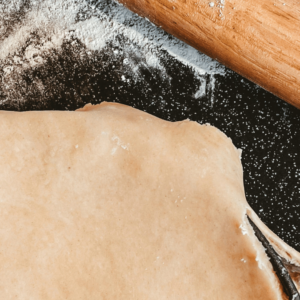
Classic Pie Crust for Two 9-Inch Pies

Equipment
- Pastry Cutter
- Fork
- Plastic wrap
- Rolling Pin
- 9-Inch Pie Pan
- Parchment Paper
- Pie Weights
Ingredients
Pie Crust (makes 2 crusts for a 9-inch pie)
- 3 cup All Purpose Flour
- ¾ tsp Kosher Salt Morton brand
- 1 ¼ cup Unsalted Butter cold, cubed, or substitute 1 cup lard for a more tender crust
- 7-10 Tbsp Water ice cold

Instructions
- Combine flour and salt in a large mixing bowl.
- Cut the cold butter into the flour with a pastry cutter or fork until the mixture resembles coarse crumbs.
- Add ice water 1 Tbsp at a time, tossing with a fork until the dough just begins to hold together.
- Divide into two equal portions.
- Flatten each into a disk and wrap in plastic wrap.
- Refrigerate for at least 30 minutes.
- Roll out each disk on a lightly floured surface to about 12 inches in diameter.
- Gently press into a 9-inch pie pan, trimming and crimping edges as needed.
For pre-baked crusts
- Dock with a fork.
- Line with parchment.
- Fill with pie weights.
- Bake at 375°F for 15 minutes.
Notes
Why This Recipe Works
This is a platform recipe-the foundation for every pie you'll make. As Victor notes, this is the classic pie crust to use for all the pie fillings in our series. Simply use two layers of crust, add your filling, and your pie is ready to bake. That's how we make easy pies. Sure, you can buy store-bought crust to make it even easier, but if you enjoy making things from scratch, this is a great recipe to master. Once you understand the technique, you'll have two perfect crusts ready in 15 minutes, and they'll wait patiently in your freezer until you need them.
The beauty of this recipe is its simplicity and flexibility. You can use butter for rich flavor or lard for extra tenderness-both work beautifully with the same technique. Make a batch when you have time, freeze the disks, and you're always one thaw away from homemade pie.
The Technique That Matters
The key to tender, flaky pie crust is keeping everything cold and avoiding overworking the dough. When fat stays in distinct pieces within the flour, those pieces create steam pockets during baking, resulting in flaky layers. Overwork the dough, and you develop too much gluten, leading to tough, chewy crust instead of tender, crisp pastry.
What You're Actually Doing
You're creating a network of flour particles coated with fat. The cold fat gets cut into the flour until it resembles coarse crumbs-some pieces the size of peas, some smaller. When you add ice-cold water, you're hydrating just enough flour to hold everything together without activating excessive gluten development.
In professional kitchens, we keep everything cold: cold butter, ice water, even chilled bowls in hot weather. Home cooks often make the mistake of working the dough too much because they're worried about it not coming together. Trust the process-the dough will look shaggy and barely cohesive when you stop mixing, and that's exactly right. It comes together fully when you press it into a disk.
Selecting and Preparing Flour
All-purpose flour is your workhorse here. It has the right protein content to create structure without toughness. Some bakers swear by pastry flour for extra tenderness, but all-purpose delivers reliable, consistent results every time.
What to Look For
- Freshness indicators: Flour should smell neutral and slightly sweet, never musty or stale. Check the date on the bag.
- Quality matters: Name-brand all-purpose flour provides consistent protein content, which means consistent results. Generic brands vary more.
- Storage considerations: Keep flour in an airtight container in a cool, dry place. Humidity affects how much water the dough needs.
Common Mistakes and How to Avoid Them
Pie crust has a reputation for being finicky, but most problems come from three basic mistakes that are easy to avoid once you know what to watch for.
Problems and Solutions
- Problem: Tough, chewy crust → Solution: Stop mixing as soon as the dough barely comes together. Don't knead it. Handle it like you're trying not to wake it up.
- Problem: Crust shrinks during baking → Solution: Let the dough rest in the refrigerator for at least 30 minutes after rolling. This relaxes the gluten you developed while rolling.
- Problem: Butter melts out during baking → Solution: Keep everything cold throughout the process. If the dough feels warm or soft, refrigerate it before continuing.
- Problem: Dough cracks when rolling → Solution: Let refrigerated dough sit at room temperature for 5-10 minutes before rolling. Cold dough is brittle; slightly softened dough is pliable.
Timing and Doneness
Since this is unbaked dough, "doneness" means the dough is properly mixed and rested. The dough is ready when it holds together when pressed but still looks slightly shaggy-not smooth like bread dough.
What Ready Looks Like
When you press the dough together into a disk, it should hold its shape without cracking excessively around the edges. A few cracks are fine and normal. The dough should feel cool to the touch and slightly firm. After 30 minutes of refrigeration, it should be firm enough to roll but not rock-hard. If you're freezing it, wrap it tightly in plastic wrap, then place it in a freezer bag. Properly wrapped dough stays fresh for up to three months and thaws in the refrigerator overnight.
Variations and Serving Suggestions
This recipe is your blank canvas for any pie filling you want to make. The neutral flavor works equally well with sweet fruit pies, custard pies, or savory quiches.
Make It Your Own
- Fat variations: Use all butter for rich flavor, all lard for maximum tenderness, or a combination of both for the best of both worlds.
- Sweet pies: Add 1 tablespoon of sugar to the flour for fruit or cream pies-it enhances browning and adds subtle sweetness.
- Savory applications: This same dough works perfectly for chicken pot pie, quiche, or hand pies. No modifications needed.
- Make-ahead strategy: Make multiple batches when you have time. Freeze the disks individually, and you'll always be ready to bake.
Why It's Worth Making
Homemade pie crust isn't difficult-it just requires understanding the technique. Once you've made it a few times, it becomes second nature. The satisfaction of rolling out your own dough, fitting it into the pan, and crimping the edges is worth the minimal extra effort. And having homemade crust in your freezer means you're always ready to turn seasonal fruit, leftover filling, or a simple custard into something special. Master this once, and you'll never be intimidated by pie again.
Recipe
Classic Pie Crust for Two 9-Inch Pies
Equipment
- Pastry Cutter
- Fork
- Plastic wrap
- Rolling Pin
- 9-Inch Pie Pan
- Parchment Paper
- Pie Weights
Ingredients
Pie Crust (makes 2 crusts for a 9-inch pie)
- 3 cup All Purpose Flour
- ¾ teaspoon Kosher Salt Morton brand
- 1 ¼ cup Unsalted Butter cold, cubed, or substitute 1 cup lard for a more tender crust
- 7-10 tablespoon Water ice cold
Instructions
- Combine flour and salt in a large mixing bowl.
- Cut the cold butter into the flour with a pastry cutter or fork until the mixture resembles coarse crumbs.
- Add ice water 1 tablespoon at a time, tossing with a fork until the dough just begins to hold together.
- Divide into two equal portions.
- Flatten each into a disk and wrap in plastic wrap.
- Refrigerate for at least 30 minutes.
- Roll out each disk on a lightly floured surface to about 12 inches in diameter.
- Gently press into a 9-inch pie pan, trimming and crimping edges as needed.
For pre-baked crusts
- Dock with a fork.
- Line with parchment.
- Fill with pie weights.
- Bake at 375°F for 15 minutes.

Was this helpful?
You must be logged in to post a comment.