
Why This Assembly Meal Works
The taco salad bowl at restaurants is brilliant in its simplicity - layers of temperature and texture built on a foundation of seasoned meat and beans. The problem at home is that making proper taco meat from scratch adds 45 minutes to what should be a quick dinner. But when you've got Restaurant-Style Taco Meat already made, portioned, and waiting in your freezer, this becomes a 15-minute assembly job. You're not cooking tonight - you're building bowls like a competent line cook during service. Warm components, cold components, crispy elements, creamy sauce. Everything in the right order, dinner on the table before the takeout driver would even arrive.
The Batch Component Foundation
This assembly meal requires one portion of Restaurant-Style Taco Meat from your freezer. If you haven't made that batch yet, start there - it's the foundation that makes this quick dinner possible. That batch component is already fully cooked, properly seasoned with cumin and chili powder, and portioned into meal-sized containers.
Having that taco meat pre-made changes everything. The difference between a 60-minute taco dinner and a 15-minute assembly is that batch component sitting in your freezer. You did the browning, draining, seasoning, and simmering weeks ago. Tonight you're just reheating and building bowls.
What You're Actually Doing Tonight
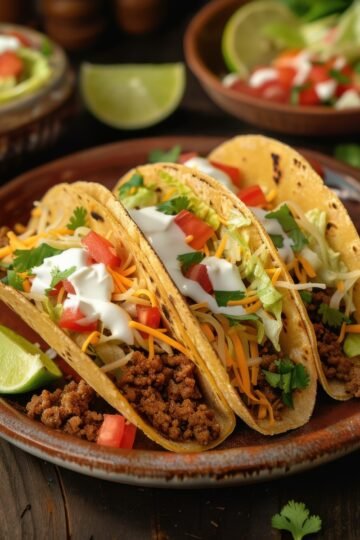
You're not making taco meat from scratch. You're not sweating onions or blooming spices or simmering ground beef. That work is done. Tonight you're warming pre-made components - the taco meat and refried beans - while you chop lettuce and tomatoes. Then you're layering everything in bowls like a Chipotle employee during lunch rush, except the ingredients are better and you're not paying $14 per person.
The difference between 60-minute cooking and 15-minute assembly is having that batch component ready to deploy. This is infrastructure, not meal prep.
Assembly Timeline
Honest timing: 15 minutes from freezer to table. No shortcuts claimed, no impossible speed promises. This is the actual timeline when your batch component is already made.
The Actual Steps
- Thaw/reheat batch component: If you remembered to move the taco meat to the fridge yesterday, it's already thawed - just heat it in a pan for 5 minutes. Forgot to thaw? Microwave the sealed container for 3-4 minutes, then finish in a pan. While that heats, warm your refried beans in another pan or the microwave.
- Prep fresh elements: Chop romaine lettuce, dice tomatoes, shred cheese if you're using block cheese instead of pre-shredded. Slice avocado if you're adding it. This takes 5-7 minutes while your taco meat heats.
- Make white cheese sauce: If you're doing the restaurant-style white queso (and you should), melt white American cheese with a splash of milk for 2 minutes. This is optional but it's what makes it taste like the real thing.
- Assemble bowls: Refried beans as the base layer, taco meat on top, then cold crispy lettuce, tomatoes, cheese, sour cream, and that white cheese sauce. Total time from freezer to table: 15 minutes.
Why This Beats Takeout
- Faster: 15 minutes vs. 30-40 for delivery or driving to Chipotle
- Cheaper: $12 homemade for four people vs. $50-60 at a restaurant
- Better quality: Real ground beef seasoned properly, not mystery meat from a warming bin
- No decision fatigue: The batch component is already in your freezer - just execute the assembly
Cost Comparison
Let's run the actual numbers on what this dinner costs when you're using a batch component versus ordering out or hitting a fast-casual restaurant.
Real Numbers
- Batch component portion: $4.50 (one-quarter of your Restaurant-Style Taco Meat batch)
- Fresh additions: Refried beans $1.50, romaine lettuce $2, tomatoes $1, shredded cheese $2, sour cream $1, white American cheese for sauce $1.50
- Total homemade cost (serves 4): $13.50
- Restaurant equivalent: $50-60 for four taco salad bowls at a sit-down place, $45-50 at Chipotle
- Savings per meal: $35-45
Variations & Substitutions
The beauty of taco salad bowls is the formula stays the same even when you swap components. Warm base, protein, cold crispy vegetables, creamy elements. Change any part and it still works.
Make It Your Own
- Different protein: Use Batch Carnitas or shredded chicken instead of taco meat - same assembly, different flavor profile
- Dietary adjustments: Skip the beans for low-carb, use Greek yogurt instead of sour cream for lighter, swap corn tortillas baked into chips for gluten-free crunch
- Spice level: Add pickled jalapeños or hot sauce for heat, use mild salsa and skip the peppers for kids
- Vegetable swaps: Add corn, black beans, bell peppers, or use spring mix instead of romaine depending on what's fresh
- The fried bowl: If you have an outdoor fryer and want the full restaurant experience, fry a flour tortilla in a bowl mold - but honestly, this is easier and less messy without it
This Is Why You Batch Cook
Three weeks ago you spent 90 minutes making Restaurant-Style Taco Meat - browning five pounds of beef, seasoning it properly, simmering it until the flavors developed, then portioning it into containers. Tonight you spent 15 minutes assembling dinner. That's the system working. That's the infrastructure paying dividends.
You're not meal prepping sad containers of complete meals that get worse every day. You're stocking a professional kitchen with pre-made components that deploy on demand. Tonight it's taco salad bowls. Tomorrow that same taco meat becomes nachos or quesadillas or taco Tuesday. The batch component is your ace in the hole when everyone's hungry and you're out of energy. This is the payoff.
Was this helpful?
You must be logged in to post a comment.